How Easy the Keto Diet Can Be: Tips and Tricks for Success

The keto diet has become a popular weight loss approach in recent years, thanks to its effectiveness in helping people shed pounds quickly. But many people are intimidated by the idea of a low-carb, high-fat diet, assuming it must be difficult to follow. In reality, the keto diet can be quite easy to implement and maintain, with a few simple tips and tricks.

Tip 1: Keep It Simple

One of the keys to success with the keto diet is keeping things simple. Instead of trying to create elaborate meals with complex recipes, stick to simple, whole foods that are naturally low in carbs and high in fat. Examples include:

  • Meat and poultry
  • Fish and seafood
  • Eggs
  • Leafy greens and other non-starchy vegetables
  • Nuts and seeds
  • Avocado and coconut

By focusing on these basic foods, you’ll be able to create satisfying meals that keep you full and energized without the need for complicated recipes or expensive ingredients.

Tip 2: Plan Ahead

Another important tip for success with the keto diet is to plan ahead. Since many traditional snack and meal options are off-limits on this diet, it’s important to have a plan in place for what you’ll eat throughout the day. This might mean packing snacks to bring to work, meal prepping on the weekends, or simply making sure you have keto-friendly options available when you’re out and about.

Tip 3: Embrace Healthy Fats

One of the main benefits of the keto diet is that it encourages the consumption of healthy fats, which can help keep you feeling full and satisfied. Don’t be afraid to add healthy fats to your meals, such as:

  • Olive oil and other healthy oils
  • Butter and ghee
  • Cheese
  • Heavy cream
  • Coconut oil
  • MCT oil

By incorporating healthy fats into your meals, you’ll be able to enjoy a wide variety of delicious and satisfying foods while staying within the guidelines of the keto diet.

Tip 4: Stay Hydrated

Another important aspect of success with the keto diet is staying hydrated. Since this diet can cause increased water loss, it’s important to drink plenty of water throughout the day to avoid dehydration. In addition to water, you can also enjoy other hydrating beverages such as:

  • Herbal tea
  • Coffee
  • Bone broth

By staying hydrated, you’ll feel more energized and alert, and be better able to stick to your keto diet goals.

Conclusion

In conclusion, the keto diet can be an easy and effective way to lose weight and improve your health, with a few simple tips and tricks. By keeping things simple, planning ahead, embracing healthy fats, and staying hydrated, you’ll be well on your way to success with this popular diet. With a little bit of effort and commitment, you’ll be amazed at how easy and satisfying the keto diet can be.


The Role of Sleep in Your Overall Health and Fitness

When it comes to maintaining a healthy and fit lifestyle, sleep is often overlooked as an essential component. Many people focus on diet and exercise, but the quality and quantity of sleep they get each night can greatly affect their health and fitness levels. In this article, we will explore the role of sleep in your overall health and fitness and provide tips on how to improve your sleep quality.

Why Sleep is Important for Health and Fitness

Sleep is a vital process that allows our bodies to repair and regenerate. During sleep, our bodies release growth hormones, repair damaged tissues, and restore our immune system. Inadequate sleep can lead to a range of health problems, including obesity, diabetes, heart disease, and depression.

Sleep also plays a critical role in athletic performance. Athletes who get adequate sleep are better able to perform at their best, with improved reaction time, speed, and accuracy. Sleep also helps athletes recover from intense training and reduces the risk of injury.

How Much Sleep Do You Need?

The amount of sleep you need each night can vary based on age, gender, and lifestyle factors. Most adults need between 7-9 hours of sleep each night, while children and teenagers may need more. It is essential to listen to your body and determine how much sleep you need to feel well-rested.

Tips for Improving Your Sleep Quality

If you are struggling to get a good night’s sleep, there are several things you can do to improve your sleep quality:

  1. Stick to a Sleep Schedule: Try to go to bed and wake up at the same time each day, even on weekends. This helps regulate your body’s internal clock and improve the quality of your sleep.
  2. Create a Relaxing Sleep Environment: Make sure your bedroom is dark, cool, and quiet. Avoid using electronics in bed, as the blue light can disrupt your sleep. Invest in comfortable bedding and pillows to ensure a restful night’s sleep.
  3. Limit Caffeine and Alcohol Intake: Caffeine and alcohol can disrupt your sleep, so it’s best to limit them before bedtime. Try to avoid drinking caffeine after midday and limit alcohol intake to one drink per day.
  4. Exercise Regularly: Exercise can help improve your sleep quality, but make sure you finish your workout at least a few hours before bedtime. Vigorous exercise right before bed can actually make it harder to fall asleep.
  5. Practice Relaxation Techniques: Yoga, meditation, and deep breathing exercises can help calm your mind and body, making it easier to fall asleep. Try incorporating these techniques into your bedtime routine to promote relaxation and improve sleep quality.

In conclusion, sleep plays a crucial role in maintaining overall health and fitness. By prioritizing sleep and following these tips for improving sleep quality, you can improve your overall health and well-being.

5 Simple Paleo Diet Recipes

  1. Paleo Omelette:

Ingredients:

  • 3 eggs
  • 1/4 cup diced bell peppers
  • 1/4 cup diced onions
  • 1/4 cup sliced mushrooms
  • 1 tablespoon coconut oil

Instructions:

  1. In a bowl, whisk the eggs until smooth.
  2. Heat the coconut oil in a skillet over medium heat.
  3. Add the bell peppers, onions, and mushrooms to the skillet and cook until tender.
  4. Pour the eggs into the skillet and cook until set.
  5. Fold the omelette in half and serve.

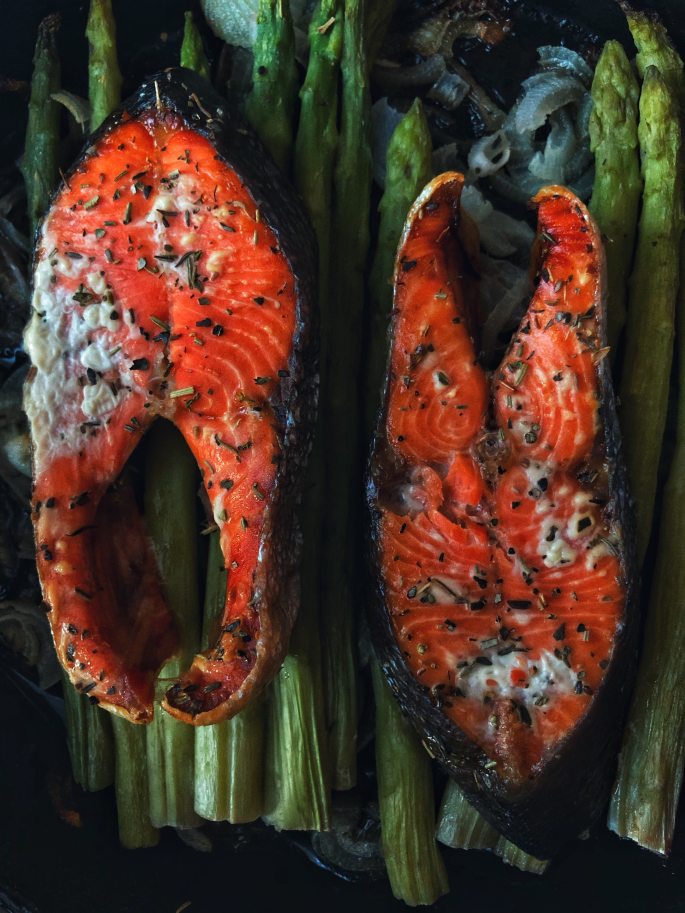
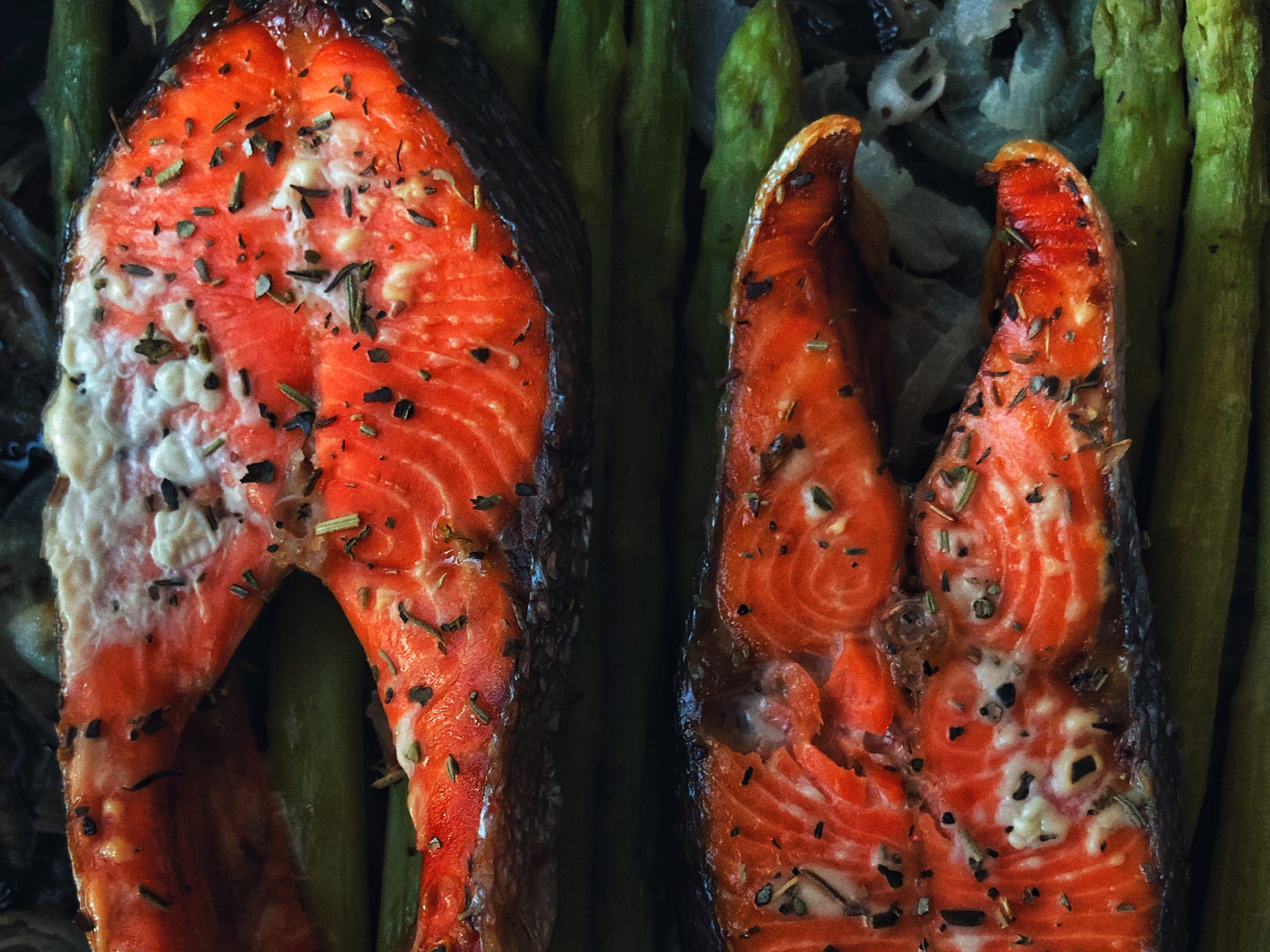
2. Baked Salmon with Asparagus:

Ingredients:

  • 2 salmon fillets
  • 1 bunch asparagus, trimmed
  • 1 lemon, sliced
  • 1 tablespoon olive oil
  • Salt and pepper to taste

Instructions:

  1. Preheat the oven to 400°F.
  2. Place the salmon fillets in a baking dish and season with salt and pepper.
  3. Add the asparagus to the dish, drizzle with olive oil, and season with salt and pepper.
  4. Top the salmon with lemon slices.
  5. Bake for 15-20 minutes, or until the salmon is cooked through.

3. Grilled Chicken with Sweet Potato:

Ingredients:

  • 2 boneless, skinless chicken breasts
  • 1 sweet potato, sliced
  • 1 tablespoon olive oil
  • 1 teaspoon garlic powder
  • Salt and pepper to taste

Instructions:

  1. Preheat the grill to medium-high heat.
  2. Brush the chicken and sweet potato slices with olive oil.
  3. Season the chicken and sweet potato with garlic powder, salt, and pepper.
  4. Grill the chicken for 6-8 minutes per side, or until cooked through.
  5. Grill the sweet potato slices for 2-3 minutes per side, or until tender.

4. Beef and Vegetable Stir-Fry:

Ingredients:

  • 1 pound beef sirloin, sliced
  • 1 bell pepper, sliced
  • 1 onion, sliced
  • 1 zucchini, sliced
  • 2 tablespoons coconut oil
  • 2 tablespoons coconut aminos
  • 1 teaspoon garlic powder

Instructions:

  1. Heat the coconut oil in a skillet over high heat.
  2. Add the beef to the skillet and cook until browned.
  3. Add the bell pepper, onion, and zucchini to the skillet and cook until tender.
  4. Add the coconut aminos and garlic powder to the skillet and stir to combine.
  5. Serve hot.

5. Paleo Banana Pancakes:

Ingredients:

  • 2 ripe bananas, mashed
  • 4 eggs
  • 1/4 cup almond flour
  • 1/4 teaspoon baking powder
  • 1/4 teaspoon cinnamon
  • Coconut oil for cooking

Instructions:

  1. In a bowl, whisk together the mashed bananas and eggs.
  2. Add the almond flour, baking powder, and cinnamon to the bowl and stir to combine.
  3. Heat the coconut oil in a skillet over medium heat.
  4. Scoop the pancake batter onto the skillet and cook for 2-3 minutes per side, or until golden brown.
  5. Serve hot with your favorite toppings

The Paleo Diet: Everything You Need to Know

The paleo diet, also called the Caveman diet or Stone Age diet, is a way of eating that tries to copy the food choices of our ancient ancestors. The idea behind this diet is that our bodies are meant to do well on the kinds of foods that our ancestors ate, which were mostly from hunting and gathering.

We will cover everything you need to know about the paleo diet, such as its benefits, what foods to eat and avoid, and how to get started.

What is the Paleo Diet? The paleo diet is based on the idea that our bodies are more adapted to the kinds of foods that our ancient ancestors ate. This means that the diet is focused on whole, natural foods that were easy to find for our ancestors, such as meats, fish, fruits, vegetables, nuts, and seeds.

The paleo diet avoids grains, dairy, legumes, and processed foods, as these were not part of our ancestors’ diets. The idea behind this is that these foods can cause inflammation and other health problems, which our ancestors did not have.

Benefits of the Paleo Diet The paleo diet has been shown to have several health benefits, such as:

  1. Weight loss: The paleo diet is often effective for weight loss, as it focuses on whole, nutrient-rich foods that are low in calories and high in fiber.
  2. Better blood sugar control: The paleo diet can help improve blood sugar control, as it eliminates high-carbohydrate foods that can cause blood sugar spikes.
  3. Less inflammation: The paleo diet is anti-inflammatory, as it eliminates processed foods and other foods that can cause inflammation in the body.

Foods to Eat on the Paleo Diet The paleo diet is focused on whole, natural foods that were easy to find for our ancestors. Some of the foods to eat on the paleo diet are:

  1. Meat: Beef, pork, chicken, turkey, and other meats are allowed on the paleo diet.
  2. Fish and seafood: Salmon, tuna, shrimp, and other types of fish and seafood are also allowed.
  3. Fruits and vegetables: You can eat any kind of fruits and vegetables on the paleo diet, as long as they are fresh and not canned.
  4. Nuts and seeds: You can eat almonds, cashews, walnuts, and other nuts and seeds on the paleo diet.

Foods to Avoid on the Paleo Diet The paleo diet excludes several types of foods that were not part of our ancestors’ diets. Some of the foods to avoid on the paleo diet are:

  1. Grains: You cannot eat wheat, rice, oats, or any other grains on the paleo diet.

  2. Dairy: You cannot eat milk, cheese, or any other dairy products on the paleo diet.
  3. Legumes: You cannot eat beans, peas, lentils, or any other legumes on the paleo diet

  4. Processed foods: You cannot eat any foods that are processed, packaged, or refined on the paleo diet.

Tips for Getting Started on the Paleo Diet If you want to try the paleo diet, here are some tips to help you get started:

1. Plan your meals ahead of time: This will help you stick to the paleo diet and avoid temptation to eat foods that are not allowed.

2. Focus on whole, unprocessed foods: When grocery shopping, stick to the outer aisles of the store, where you can find fresh produce, meats, and seafood.

3. Experiment with new recipes: There are many paleo-friendly recipes available online, so try new recipes to keep your meals interesting and enjoyable.

4. Don’t be too hard on yourself: It can be hard to completely eliminate certain foods from your diet. If you slip up and eat something that is not allowed on the paleo diet, don’t worry. Just get back on track and continue with the diet.

The paleo diet is a way of eating that tries to copy the food choices of our ancient ancestors. It focuses on whole, natural foods, and avoids grains, dairy, legumes, and processed foods. The paleo diet has been shown to have several health benefits, such as weight loss, better blood sugar control, and less inflammation. If you want to try the paleo diet, be sure to plan your meals ahead of time, focus on whole, natural foods, experiment with new recipes, and don’t worry if you slip up.

Mediterranean Diet: This is a heart-healthy diet that focuses on whole foods, such as fruits, vegetables, whole grains, and lean proteins, and limits processed foods

The Mediterranean diet is more than just a way of eating. It is a lifestyle that promotes health and well-being. It is based on the traditional foods and habits of the people living in the Mediterranean region, who have lower rates of chronic diseases and longer life spans than many other populations.

The Mediterranean diet emphasizes eating a variety of plant-based foods, such as fruits, vegetables, nuts, seeds, legumes, and whole grains. These foods are rich in fiber, antioxidants, vitamins, minerals, and phytochemicals that can protect against inflammation, oxidative stress, and cellular damage.

The Mediterranean diet also includes moderate amounts of lean proteins, such as fish, poultry, eggs, and dairy products. These foods provide high-quality protein, essential amino acids, and healthy fats that can support muscle growth and repair, immune function, and hormone balance.

The Mediterranean diet limits the intake of processed foods, such as refined grains, added sugars, trans fats, and processed meats. These foods are often high in calories, sodium, and additives that can contribute to weight gain, high blood pressure, high cholesterol, and diabetes.

The Mediterranean diet is not only about what you eat but also how you eat. It encourages enjoying your food with family and friends, savoring each bite, and listening to your hunger and fullness cues. It also promotes being physically active every day, managing stress effectively, and getting enough sleep.

The Mediterranean diet is not a rigid or restrictive plan. It is a flexible and adaptable way of eating that can suit your personal preferences, cultural background, and health goals. It can help you lower your risk of heart disease, stroke, diabetes, cancer, and other chronic conditions. It can also improve your mood, energy levels, and cognitive function.

If you want to try the Mediterranean diet for yourself, here are some simple tips to get started:

Eat more fruits and vegetables. Aim for at least five servings per day. Choose a variety of colors and types to get the most benefits.
Switch to whole grains. Replace refined grains with whole grains such as oats, barley, quinoa, bulgur wheat or brown rice. Whole grains are more filling and nutritious than refined grains.

Include healthy fats. Use olive oil as your main cooking oil and dressing. Eat nuts and seeds as snacks or toppings. Enjoy fatty fish such as salmon or tuna at least twice a week. Limit butter and margarine.
Choose lean proteins. Opt for fish or poultry over red meat most of the time. Eat eggs or low-fat dairy products for breakfast or snacks. Include legumes such as beans or lentils in your meals or salads.
Cut back on processed foods. Avoid foods that are high in added sugars such as sodas or pastries. Limit foods that are high in sodium such as chips or canned soups. Avoid foods that contain trans fats such as baked goods or fried foods.
Spice up your food. Use herbs and spices to flavor your food instead of salt or sauces. Try garlic or onion for savory dishes or cinnamon or nutmeg for sweet dishes.
Drink water. Stay hydrated by drinking plenty of water throughout the day. Limit alcohol to one drink per day for women or two drinks per day for men.
Enjoy your food. Eat slowly and mindfully without distractions such as TV or phone. Appreciate the taste and texture of your food. Share your meals with others whenever possible.
Be active. Aim for at least 150 minutes of moderate-intensity physical activity per week such as brisk walking or cycling. Find an activity that you enjoy and do it regularly.
Relax. Find healthy ways to cope with stress such as meditation or yoga. Make time for hobbies or interests that make you happy. Get enough sleep every night.
The Mediterranean diet is more than just a diet. It is a way of living that can improve your health and quality of life in many ways.

How to Stay Motivated to Exercise and Eat Healthy

Staying motivated to exercise and eat healthy can be challenging, but it’s important for maintaining good health and preventing chronic diseases. Here are some tips to help you stay motivated:

Set realistic goals: Setting small, achievable goals can help you stay motivated and build momentum over time.

Find an exercise routine you enjoy: Whether it’s running, yoga, or weightlifting, finding an exercise routine that you enjoy can make it easier to stick with.

Make healthy eating a habit: Eating healthy doesn’t have to be complicated. Start by incorporating more fruits, vegetables, and whole grains into your diet.

Get support from friends and family: Having a support system can make all the difference when it comes to staying motivated.

Reward yourself: Celebrate your successes along the way with small rewards like a new workout outfit or a healthy meal at your favorite restaurant.

Remember that staying motivated is a journey, not a destination. Be patient with yourself and keep working towards your goals!

Healthy Alternatives to Popular Junk Foods

Junk food is everywhere we look. It’s convenient, it’s cheap, and it’s delicious. Unfortunately, it’s also often high in calories, sugar, and unhealthy fats. But don’t worry – you don’t have to give up your favorite snacks to stay healthy. Here are some healthy alternatives to popular junk foods that you can enjoy guilt-free!

Instead of potato chips, try baked sweet potato chips.
Potato chips are a classic snack, but they’re often fried in unhealthy oils and loaded with salt. Baked sweet potato chips are a healthier alternative that’s just as satisfying. Sweet potatoes are high in fiber, vitamins, and antioxidants, and they taste great when sliced thin and baked until crispy.

Instead of candy bars, try trail mix.
Candy bars are packed with sugar and artificial ingredients. Trail mix, on the other hand, is a healthy snack that’s easy to make and customize. Just mix together your favorite nuts, seeds, and dried fruits for a tasty, protein-packed snack that will keep you satisfied.

Instead of soda, try flavored sparkling water.
Soda is one of the biggest culprits when it comes to added sugar and empty calories. Flavored sparkling water is a great alternative that still gives you the fizz you crave without the unhealthy side effects. Look for brands that use natural flavors and don’t add any sugar or artificial sweeteners.

Instead of ice cream, try frozen yogurt.
Ice cream is a beloved treat, but it’s also high in fat and sugar. Frozen yogurt is a healthier alternative that still satisfies your sweet tooth. Look for brands that use real yogurt and don’t add any artificial flavors or colors. You can also top it with fresh fruit or nuts for added flavor and nutrition.

Instead of pizza, try homemade whole wheat pizza.
Pizza is a go-to meal for many people, but it’s often high in calories and unhealthy fats. Making your own pizza at home with whole wheat crust and fresh ingredients is a healthier option that’s just as delicious. You can customize your toppings to your liking and experiment with different flavors and combinations.

By making these simple swaps, you can enjoy your favorite snacks without sacrificing your health. Remember, everything in moderation is key – even healthy snacks can be high in calories if you eat too much. So, indulge in your favorite treats, but also be mindful of your portions and make healthier choices whenever possible.

Health and fitness advantages of mindfulness meditation

Mindfulness meditation is a mental practice that can help you focus on the present moment without judgment. It has many benefits for your mental and physical health, including improving your fitness.

One way mindfulness meditation helps fitness is by reducing stress. Stress can make it hard to exercise because you feel tense, tired, and unmotivated. By reducing stress through mindfulness meditation, you might feel more motivated to exercise and feel less physical tension and fatigue during your workout.

Mindfulness meditation also helps improve your overall health by reducing inflammation in your body. Inflammation is a natural response to stress and injury, but too much inflammation can lead to chronic diseases like heart disease and diabetes. By reducing inflammation through mindfulness meditation, you can lower your risk for these diseases and improve your overall health.

In addition to physical benefits, mindfulness meditation can also help your mental health, which in turn can improve fitness. Mindfulness meditation can reduce depression and anxiety symptoms, which can help you feel more motivated to exercise and improve your mental well-being. It can also improve your focus and concentration, which can be helpful for athletes.

One of the coolest benefits of mindfulness meditation for fitness is that it can improve your body awareness. During meditation, you pay attention to your breath and your body’s sensations, which can help you understand your body’s limitations and needs. With better body awareness, you can exercise more safely and effectively because you know when you’re pushing yourself too hard or not hard enough.

All in all, mindfulness meditation can help you achieve your fitness goals by reducing stress, improving your mental and physical health, and increasing your body awareness. Whether you’re just starting out or a seasoned athlete, incorporating mindfulness meditation into your fitness routine can help you reach your goals and feel good doing it.

How to choose healthy foods when putting meals on the table

When it comes to maintaining a healthy lifestyle, making healthy food choices is essential. One of the easiest ways to make healthier choices is to start at the grocery store. Here are some tips to help you make healthy food choices when grocery shopping

Plan ahead: Before you head to the store, make a list of the healthy foods you want to buy. This will help you avoid impulse purchases of unhealthy items. Planning your meals for the week ahead of time can also help you make healthier choices.

Shop the perimeter of the store: The perimeter of the store is where you’ll find fresh produce, meat, dairy, and other whole foods. This is where you should focus your shopping to ensure that you are buying nutrient-dense foods.

Read food labels: The nutrition label is your best tool for evaluating the healthfulness of a food. Look for foods that are low in saturated and trans fats, sodium, and added sugars. Choose foods that are high in fiber, vitamins, and minerals.

Choose whole foods: Whole foods are those that are as close to their natural state as possible. Examples include fresh fruits and vegetables,whole grains, and lean protein sources like chicken, fish, and tofu. These foods are usually minimally processed and provide a lot of nutrients without a lot of added sugars, fats, or other unhealthy ingredients.

Avoid processed foods: Processed foods are often high in unhealthy ingredients like refined sugar, sodium, and unhealthy fats. These foods can contribute to chronic diseases like obesity, diabetes, and heart disease. Look for minimally processed foods, and read labels carefully to avoid products with added sugars, unhealthy fats, and other unhealthy ingredients.

Don’t shop when you’re hungry: When you’re hungry, you’re more likely to make impulsive and unhealthy food choices. Try to eat a healthy snack or meal before you head to the store, so you can make more rational and healthy food choices.

Consider buying in bulk: Buying in bulk can be a great way to save money on healthy foods. Look for bulk bins of grains, nuts, and seeds, which can be a cost-effective way to add healthy ingredients to your diet.

Try new things: Eating a variety of foods is important for a healthy diet. Don’t be afraid to try new fruits, vegetables, and other healthy foods that you’ve never tried before. You might discover some new favorites!

By following these tips, you can make healthier food choices when grocery shopping. Remember to plan ahead, read labels, and focus on whole, minimally processed foods. And don’t forget to enjoy the process of discovering new healthy foods and recipes!