Day 1: What Is Sexual Wellness and Why It MattersHey there! Welcome to Day 1 of our 30-day journey towards embracing sexual wellness. We’re thrilled to have you on board. Today is all about understanding what sexual wellness really means and why it’s so important for your overall health and happiness.Step 1: Understanding Sexual WellnessSo,…
Day 1: Setting Your IntentionReflect and VisualizeHey there! Welcome to the start of your whole foods journey. Today is all about setting your intention and getting into the right mindset for the next seven days. Establishing clear goals and understanding why you’re embarking on this challenge will help you stay motivated and excited.First things first,…
Unleash Your Natural StrengthWelcome to the 15-Day Simple Movements Challenge! Over the next two weeks, we’ll guide you through a series of exercises and routines designed to help you build strength, improve flexibility, and enhance your overall well-being. Each day, you’ll focus on a specific movement or activity, gradually building a sustainable fitness routine that…
Introduction:When we talk about wellness, the conversation often centers around fitness routines, nutritious diets, and mental health practices. However, there’s an essential aspect of well-being that’s frequently overlooked: sexual wellness. At Fit Life Revolution, we believe that embracing sexual wellness is not just a part of your health journey—it’s a cornerstone of holistic health and…
Imagine a world where food isn’t just fuel but a source of joy, vitality, and profound well-being. It’s not about fad diets or restrictive eating; it’s about returning to nature’s bounty and savoring the simplicity of whole foods. At Fit Life Revolution, we believe in harnessing the natural power of food to rejuvenate your body…
In a world dominated by high-intensity workouts and complex fitness routines, the concept of natural strength often takes a backseat. However, by embracing the power of simple movements, we can tap into our innate physical abilities and embark on a fitness journey that is both effective and sustainable. This article explores the significance of natural…
The Mediterranean diet has become increasingly popular in recent years, and for good reason. It’s not just a diet, but a way of life that emphasizes whole, nutrient-dense foods like fruits, vegetables, whole grains, and healthy fats. The Mediterranean diet is also known for its delicious and flavorful cuisine that features fresh herbs, spices, and ingredients. Today, we’ll be sharing three simple and delicious Mediterranean-inspired recipes that you can easily make at home for breakfast, lunch, or dinner. These recipes are packed with flavor and nutrition, and are sure to leave you feeling satisfied and energized. Let’s get cooking!
Mediterranean Breakfast Bowl
1/2 cup cooked quinoa
1/4 cup cherry tomatoes, halved
1/4 cup cucumber, diced
1/4 cup crumbled feta cheese
1 tbsp chopped fresh parsley
1 tbsp extra-virgin olive oil
Salt and pepper to taste
Instructions:
In a bowl, combine the cooked quinoa, cherry tomatoes, cucumber, feta cheese, and parsley.
Drizzle with olive oil and season with salt and pepper.
Enjoy!
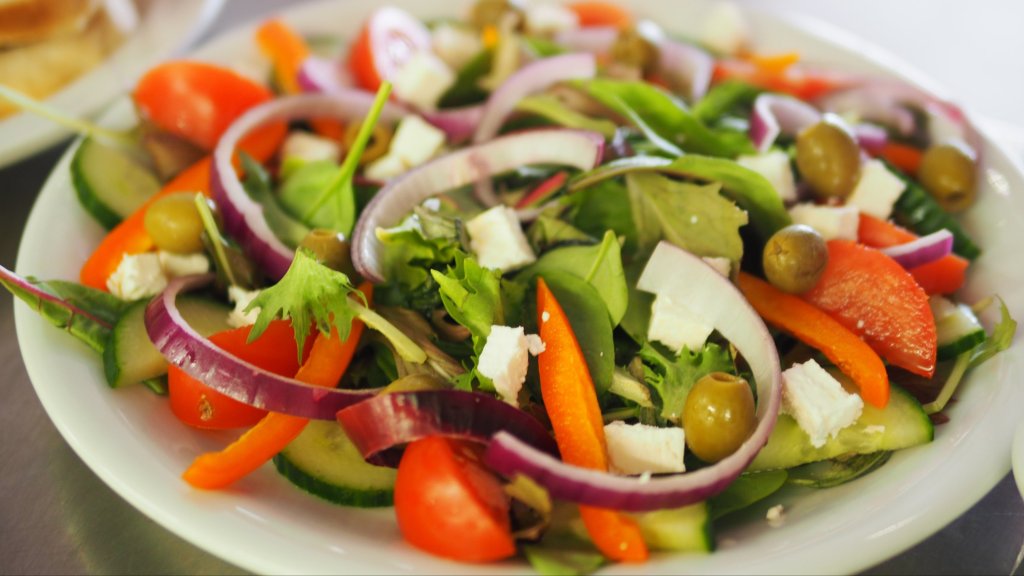
Greek Salad
2 cups chopped romaine lettuce
1/2 cup chopped cucumber
1/2 cup chopped cherry tomatoes
1/4 cup chopped red onion
1/4 cup crumbled feta cheese
1 tbsp extra-virgin olive oil
1 tbsp red wine vinegar
Salt and pepper to taste
Instructions:
In a bowl, combine the romaine lettuce, cucumber, cherry tomatoes, red onion, and feta cheese.
In a small bowl, whisk together the olive oil, red wine vinegar, salt, and pepper.
Drizzle the dressing over the salad and toss to combine.
Enjoy!
Mediterranean Chicken Skewers
1 lb boneless, skinless chicken breasts, cut into bite-size pieces
1/2 red onion, cut into bite-size pieces
1/2 green bell pepper, cut into bite-size pieces
1/2 yellow bell pepper, cut into bite-size pieces
2 tbsp extra-virgin olive oil
1 tbsp dried oregano
1 tsp garlic powder
Salt and pepper to taste
Instructions:
Preheat grill to medium-high heat.
In a bowl, combine the chicken pieces, red onion, green and yellow bell peppers, olive oil, oregano, garlic powder, salt, and pepper.
Thread the chicken and vegetables onto skewers, alternating between chicken and vegetables.
Grill the skewers for 10-12 minutes, turning occasionally, until the chicken is cooked through.
Are you following a keto diet and struggling to come up with healthy and delicious breakfast ideas? Look no further! In this article, we’ll explore some tasty and nutritious breakfast options that are perfect for those following a keto diet.
But first, let’s discuss what a keto diet is and why it’s important to have a healthy breakfast while following this diet.
What is a Keto Diet?
A keto diet is a low-carb, high-fat diet that aims to put your body into a state of ketosis. Ketosis is a metabolic state in which your body uses fat as its primary source of energy instead of carbohydrates. By limiting your carbohydrate intake, your body is forced to burn stored fat for fuel, resulting in weight loss and other health benefits.
Why is Breakfast Important on a Keto Diet?
Breakfast is the most important meal of the day, especially when you’re following a keto diet. It helps kickstart your metabolism, stabilizes your blood sugar levels, and provides you with the energy you need to tackle your day.
But finding keto-friendly breakfast options can be a challenge. Many traditional breakfast foods, such as toast, cereal, and pancakes, are high in carbohydrates and not allowed on a keto diet. So, it’s important to get creative and find alternative options that are both nutritious and delicious.
Here are some keto diet breakfast ideas that are sure to satisfy your taste buds and keep you on track with your health goals:
Keto Breakfast Bowl
A keto breakfast bowl is a great way to get all your favorite breakfast ingredients in one dish. Start with a base of scrambled eggs and add in some cooked spinach, diced avocado, and crumbled bacon. Top it off with a dollop of sour cream and a sprinkle of cheddar cheese.
Bacon and Eggs
Bacon and eggs are a classic breakfast combination that is also keto-friendly. Fry up some bacon and scramble some eggs in the same pan for a delicious and satisfying breakfast.
Chia Seed Pudding
Chia seed pudding is a simple and tasty keto breakfast option. Mix together some chia seeds, unsweetened almond milk, vanilla extract, and a sweetener of your choice. Let it sit in the fridge overnight, and in the morning, you’ll have a creamy and delicious breakfast pudding.
Keto Smoothie
Smoothie are a great way to pack in a lot of nutrients and flavor in one drink. To make a keto-friendly smoothie, use low-carb fruits like berries, avocado, and coconut milk as a base. Add in some leafy greens like spinach and kale, a scoop of protein powder, and some healthy fats like almond butter or coconut oil.
Low-Carb Pancakes
Who says you can’t have pancakes on a keto diet? There are many low-carb pancake recipes that use alternative flours like almond flour or coconut flour. Top them with some sugar-free maple syrup and a pat of butter for a delicious breakfast treat.
In Conclusion
Starting your day with a nutritious and delicious breakfast is essential, especially when you’re following a keto diet. By getting creative and trying out these keto-friendly breakfast options, you can stay on track with your health goals while still enjoying a variety of tasty meals. Give them a try and see which ones become your new favorite breakfast recipes.
Running is a great way to lose weight, build endurance, and strengthen your lower body. But if you’re new to running or want to lose weight, it’s important to take it slow and steady, set realistic goals, mix up your workouts, pay attention to your diet, and get enough rest and recovery. Here are some tips and strategies to help you get the most out of your running routine and achieve your weight loss goals.
Start Slow and Steady
When you’re new to running, start slow and gradually increase your distance and intensity over time. Don’t push yourself too hard or you’ll risk getting injured. Build your endurance gradually by running shorter distances at a comfortable pace.
Set Realistic Goals
Don’t expect to lose a lot of weight or run a marathon right away. Instead, set small, achievable goals that you can work towards over time, like running for 30 minutes three times a week or losing one pound per week. Celebrate your progress and don’t be too hard on yourself if you don’t meet your goals right away.
Mix Up Your Workouts
To keep your workouts fun and interesting, mix things up. Try running on different surfaces, like grass, pavement, or a treadmill. Add some intervals, hills, or speed work to your runs to challenge yourself and burn more calories. You can also try other exercises, like swimming, cycling, or weightlifting, to cross-train and work different muscles.
Running can help you lose weight, but it’s important to eat a balanced diet too. Focus on eating plenty of fruits, vegetables, whole grains, and lean protein. Avoid processed foods, sugary drinks, and too much alcohol, which can ruin your weight loss efforts. But don’t deprive yourself of treats or you’ll risk burning out.
Get Enough Rest and Recovery
Rest and recovery are crucial for any exercise routine. Make sure to give your body enough time to rest and recover between workouts to prevent injuries and keep your motivation up. Don’t forget to stretch and foam roll to keep your muscles loose and flexible.
In conclusion, running is a great way to lose weight and get in shape, but it’s important to approach it smartly and sustainably. Incorporate these tips into your running routine, and you’ll be on your way to achieving your weight loss goals in no time.
When it comes to maintaining a healthy and fit lifestyle, sleep is often overlooked as an essential component. Many people focus on diet and exercise, but the quality and quantity of sleep they get each night can greatly affect their health and fitness levels. In this article, we will explore the role of sleep in your overall health and fitness and provide tips on how to improve your sleep quality.
Why Sleep is Important for Health and Fitness
Sleep is a vital process that allows our bodies to repair and regenerate. During sleep, our bodies release growth hormones, repair damaged tissues, and restore our immune system. Inadequate sleep can lead to a range of health problems, including obesity, diabetes, heart disease, and depression.
Sleep also plays a critical role in athletic performance. Athletes who get adequate sleep are better able to perform at their best, with improved reaction time, speed, and accuracy. Sleep also helps athletes recover from intense training and reduces the risk of injury.
How Much Sleep Do You Need?
The amount of sleep you need each night can vary based on age, gender, and lifestyle factors. Most adults need between 7-9 hours of sleep each night, while children and teenagers may need more. It is essential to listen to your body and determine how much sleep you need to feel well-rested.
Tips for Improving Your Sleep Quality
If you are struggling to get a good night’s sleep, there are several things you can do to improve your sleep quality:
Stick to a Sleep Schedule: Try to go to bed and wake up at the same time each day, even on weekends. This helps regulate your body’s internal clock and improve the quality of your sleep.
Create a Relaxing Sleep Environment: Make sure your bedroom is dark, cool, and quiet. Avoid using electronics in bed, as the blue light can disrupt your sleep. Invest in comfortable bedding and pillows to ensure a restful night’s sleep.
Limit Caffeine and Alcohol Intake: Caffeine and alcohol can disrupt your sleep, so it’s best to limit them before bedtime. Try to avoid drinking caffeine after midday and limit alcohol intake to one drink per day.
Exercise Regularly: Exercise can help improve your sleep quality, but make sure you finish your workout at least a few hours before bedtime. Vigorous exercise right before bed can actually make it harder to fall asleep.
Practice Relaxation Techniques: Yoga, meditation, and deep breathing exercises can help calm your mind and body, making it easier to fall asleep. Try incorporating these techniques into your bedtime routine to promote relaxation and improve sleep quality.
In conclusion, sleep plays a crucial role in maintaining overall health and fitness. By prioritizing sleep and following these tips for improving sleep quality, you can improve your overall health and well-being.











 Health and Fitness for Life