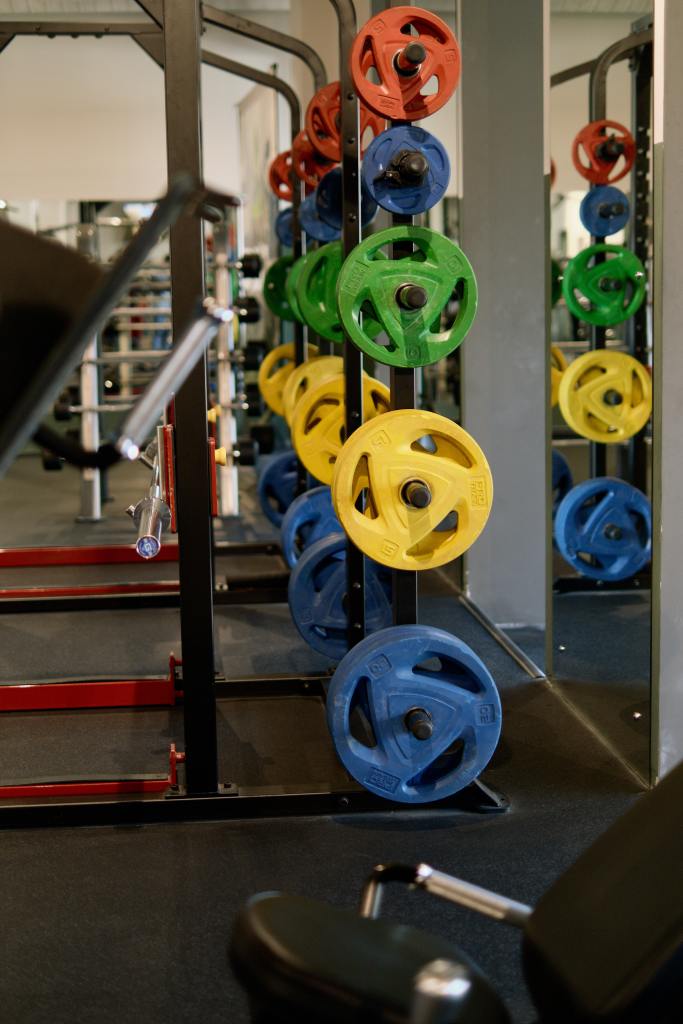
How to build a home gym on a budget

You can remain in shape at your convenience and save money on gym memberships by building a home gym. However, establishing a home gym can be costly and may seem like an unnecessary extravagance. The good news is that you can create a home gym that meets your needs and your budget with some forethought and ingenuity. We’ll go over some ideas and methods for creating a home gym on a budget in this piece.

Establish Your Fitness Objectives
Determine your exercise objectives before you begin to construct a home gym. Do you want to keep your current level of fitness or do you want to gain muscle, lose weight, or all of the above? You can order the necessary equipment according to priority once you are clear on your exercise objectives.

Make a Budget
When constructing a home gym, setting a limit is crucial. Don’t overspend on tools so that you have little to no money left over for other needs. Make plans based on how much you can afford to invest.

Focus on the Crucial Things
Building a home gym doesn’t require a tonne of tools. Concentrate on the necessities that will enable you to reach your exercise objectives. Dumbbells, resistance bands, a yoga cushion, and an exercise ball, for instance, can be used to complete a full-body workout.

Search for discounts and sales When purchasing exercise equipment, keep an eye out for special offers and discounts. Fitness equipment is frequently discounted by stores at the start of the year or during seasonal sales. Additionally, you can purchase used tools on websites like Facebook Marketplace and Craigslist. Build Your Own Tools Making your own exercise equipment allows you to save a lot of money. For instance, you could use a sturdy box or some old seats to create your own weightlifting bench. Additionally, you can create your own dumbbells by filling empty milk containers with sand.

Use Free Online Exercises You can use a variety of free internet workout programmes to maintain your fitness. These workouts don’t require pricey gym tools. A computer, an internet link, and some room to move around are all you need. Utilize Your Environment Never undervalue the influence of your environment. You can do lunges around your living room, step-ups on a park bench, or cardio exercises at home using the steps. You can perform strength training routines using only your body weight.

In summation, it is feasible to create a home gym on a tight budget. You can reach your fitness objectives without going over budget with a little imagination and careful planning. Establish your fitness objectives, create a budget, prioritise the basics, look for deals and sales, make your own equipment, use free online workouts, and make use of your environment. You can quickly create a useful and inexpensive home gym using these suggestions.


Take the First Step: Tips and Tricks for Beginner Runners

Your bodily health, mood, and stress can all be eased through running. However, it can be daunting to know where to start if you’re just getting started. Here are some advice and pointers to help new athletes take the plunge. Start steadily and slowly. When you’re just getting started, it’s crucial to take it leisurely and avoid pushing yourself too hard. Start out with short runs—maybe 10-15 minutes—and as your body adjusts, progressively lengthen and intensify them. You can prevent injury and fatigue by doing this.

Purchase quality running shoes. A quality set of running shoes should always be purchased. The purpose of running shoes is to support and cushion your feet, so donning the incorrect footwear can be uncomfortable.Your bodily health, mood, and stress can all be eased through running. However, it can be daunting to know where to start if you’re just getting started. Here are some advice and pointers to help new athletes take the plunge. Start steadily and slowly. When you’re just getting started, it’s crucial to take it leisurely and avoid pushing yourself too hard. Start out with short runs—maybe 10-15 minutes—and as your body adjusts, progressively lengthen and intensify them. You can prevent injury and fatigue by doing this.

Obtain Quality Running Shoes
It’s important to spend money on a quality set of running shoes. Running shoes are made to support and cushion your feet, and choosing the incorrect pair can result in accidents. Visit a specialty running shop and get fitted for a pair that fits your running style and foot type.

Exercise and Cool Down
Don’t forget to warm up before your exercise and cool down after it. An effective warm-up should involve some light jogging or strolling as well as dynamic stretches to prepare your muscles for the run. To reduce soreness and increase flexibility, the cool-down should include some moderate stretching.

Set attainable objectives You can maintain motivation and progress by setting reasonable objectives. Set modest objectives at first, like running for five uninterrupted minutes, and progressively increase them to longer distances. A training schedule that progressively increases your mileage is also beneficial. Blend it up When it comes to running, variety is important. Include a variety of runs in your training regimen, such as hill repetitions or interval training. Your workouts will remain interesting and difficult as a result. Observe your body. When you’re running, pay heed to how your body feels. Get some slumber if you’re in pain or uncomfortable. Additionally, it’s crucial to drink plenty of water and feed your body healthy foods.Set attainable objectives You can maintain motivation and progress by setting reasonable objectives. Set modest objectives at first, like running for five uninterrupted minutes, and progressively increase them to longer distances. A training schedule that progressively increases your mileage is also beneficial. Blend it up When it comes to running, variety is important. Include a variety of runs in your training regimen, such as hill repetitions or interval training. Your workouts will remain interesting and difficult as a result. Observe your body. When you’re running, pay heed to how your body feels. Get some slumber if you’re in pain or uncomfortable. Additionally, it’s crucial to drink plenty of water and feed your body healthy foods to support your running.

Find a Friend
Your runs can be more pleasant and accountable if you have a running partner. Find a running partner who has a comparable level of fitness to you and set up regular runs.

Getting into a running habit can be difficult, but with these pointers and tricks, you can start living a healthier lifestyle. Start out slowly, buy quality running shoes, warm up and cool down, set reasonable goals, switch up your routine, pay attention to your body, and locate a partner to run with.

Delicious and Easy Keto Diet Recipe – Keto Baked Salmon with Lemon and Garlic Butter

Keto Baked Salmon with Lemon and Garlic Butter

Ingredients:

4 salmon fillets
2 tablespoons olive oil
2 tablespoons butter, melted
2 cloves garlic, minced
1 lemon, sliced
Salt and pepper to taste
Fresh parsley for garnish
Instructions:

Preheat your oven to 375°F (190°C) and line a baking sheet with parchment paper.

Rinse the salmon fillets and pat them dry with paper towels. Place them on the prepared baking sheet.

In a small bowl, mix together the melted butter, minced garlic, and olive oil. Brush the mixture generously over the salmon fillets.

Slice the lemon into thin rounds and place them on top of the salmon fillets. Sprinkle salt and pepper over the top.

Bake the salmon in the preheated oven for 12-15 minutes, or until the salmon is cooked through and flakes easily with a fork.

Garnish the baked salmon with fresh parsley and serve immediately.

This keto baked salmon recipe is delicious and healthy, with healthy fats from the salmon and olive oil, and the fresh lemon and garlic add a burst of flavor that complements the salmon perfectly. Enjoy!

The Importance of Stretching Before and After Exercise

Many people who exercise concentrate on the activity alone and disregard the value of stretching before and after. Stretching, however, is an essential component of any exercise programme because it aids in bodily preparation for exercise, prevents injuries, and speeds up recovery.

Prior to exercise Stretching before exercise improves flexibility, warms up the muscles, and increases blood flow, all of which can improve performance and lower the chance of injury.

For efficient stretching before exercise, consider the following advice: Start with a gentle warm-up: It’s essential to get the blood flowing before stretching, so jog, do jumping jacks, or cycle for a few minutes.

Stretch the muscles in your legs, hips, and lower back if you’re heading for a run, for example, and concentrate on the muscles you’ll be using.

Hold each stretch for 10 to 30 seconds; don’t bounce or convulse, as these actions can hurt you.

Don’t overdo it: Stretching shouldn’t be painful; it should be a gentle, relaxing exercise. If a stretch hurts, ease up a little and attempt it again.

After a workout

Stretching before and after exercise are equally essential. It aids in bodily cooling, lessens stiffness and soreness, and speeds up healing. The following are some pointers for extending after exercise:

Since your muscles are already warmed up, you can maintain each stretch for a little longer than 30 to 60 seconds.

After a full-body workout, concentrate on stretching the main muscle groups, including the shoulders, back, chest, and shoulders.

As with stretching before an exercise, go slowly and avoid rushing or forcing any stretches. Each posture should be taken with a relaxed body.

Take deep breaths as you stretch because doing so can help the body unwind and improve circulation.

The conclusion

Stretching is a quick but crucial method to improve performance, reduce risk of injury, and speed up recovery after exercise. You can make the most of your exercises while keeping your body secure and healthy by including stretching in your exercise regimen.

How to stick to a healthy diet when eating out

It can be difficult to keep up a healthy diet, particularly when dining out. It’s simple to indulge in unhealthy foods when there are so many tempting choices and treats available. It is feasible to maintain a healthy diet while dining out, though. You can appreciate your meals and stick to your diet goals with a little forethought and self-control. Here are some pointers for maintaining a healthful diet while dining out.


Do Your Research: Spend some time learning about the restaurant and its menu before heading out to eat. Look for healthy choices on the restaurant’s website or online menu. You can also look up reviews online or get referrals from peers. If the eatery doesn’t offer many nutritious options, consider choosing a different restaurant.

Plan Ahead: Plan what you’re going to eat before you get to the restaurant. Many restaurants post their menus online, so you can decide what to eat beforehand. This will help you avoid impulsively choosing something unhealthy.

When you arrive at the eatery, make wise decisions by selecting healthy options. Choose grilled or baked meals rather than fried ones. As a side meal, opt for a salad rather than fries or onion rings. Look for foods that are low in sugar and saturated fat and high in protein and fibre. Avoid foods that are heavily flavoured with butter, cream, or cheese.

Ask for Changes: Don’t be hesitant to request changes to your dish. Request the sauce on the side or salt-free preparation of your meal. Vegetables can be requested in lieu of the dish’s starch.

Portion Control: It’s common knowledge that restaurants serve hefty amounts. Before your meal comes, request a to-go box to prevent overeating.

Water is preferable to alcoholic or sweetened beverages. In addition to keeping you hydrated, drinking water will make you feel satisfied and lessen the urge to overeat.

Avoid desserts: These foods are frequently high in caloric and sugar. Avoid dessert entirely if you’re attempting to maintain a healthy diet, or split it with someone.

Finally, dining out need not be detrimental to your efforts to maintain a healthy diet. You can have a healthy meal while dining out if you do your research, prepare ahead of time, choose carefully, request modifications, control your portions, drink water, and avoid the dessert. Keep in mind that maintaining your diet requires dedication and thoughtful decision-making.

The best post-workout recovery foods

After a workout, it’s important to fuel your body with the right nutrients to help it recover and rebuild. Proper nutrition can help reduce muscle soreness, speed up recovery time, and enhance muscle growth. In this article, we’ll take a look at the best post-workout recovery foods.


1. Protein
Protein is essential for repairing and rebuilding muscle tissue that is damaged during exercise. Consuming protein after a workout can help increase muscle protein synthesis and improve recovery time. Good sources of protein include chicken, fish, eggs, yogurt, and protein powders. Aim for around 20-30 grams of protein per serving.


2. Carbohydrates
Carbohydrates are the body’s main source of energy, and they are especially important after a workout when your muscles are depleted. Consuming carbs after a workout can help replenish glycogen stores and improve recovery time. Good sources of carbs include sweet potatoes, fruits, whole grain breads, and rice.


3. Water
Staying hydrated is crucial for recovery after a workout. When you exercise, you lose water through sweat, and it’s important to replace that lost water to prevent dehydration. Aim to drink at least 8 ounces of water after a workout, and more if you sweat heavily.


4. Antioxidants
Exercise can cause oxidative stress in the body, which can damage cells and increase inflammation. Consuming foods that are high in antioxidants can help reduce inflammation and aid in recovery. Good sources of antioxidants include blueberries, spinach, kale, and green tea.


5. Omega-3 Fatty Acids
Omega-3 fatty acids have anti-inflammatory properties that can help reduce inflammation and aid in recovery after a workout. Good sources of omega-3s include fatty fish such as salmon, flaxseeds, and chia seeds.

6. Tart Cherry Juice
Tart cherry juice has been shown to have anti-inflammatory properties and may help reduce muscle soreness after a workout. Drinking tart cherry juice after a workout may help speed up recovery time and reduce muscle soreness.

In conclusion, consuming the right nutrients after a workout can help reduce muscle soreness, speed up recovery time, and enhance muscle growth. Incorporate protein, carbs, water, antioxidants, omega-3 fatty acids, and tart cherry juice into your post-workout recovery routine for optimal results

Healthy meal prep ideas for busy people

Healthy eating with the convenience of meal prep, busy people can maintain a healthy lifestyle without sacrificing precious time or energy.

The benefits of healthy eating and how meal prep can help busy people:

Benefits of healthy eating:
a. Improved physical health: A balanced and nutrient-dense diet can help prevent chronic diseases such as diabetes, heart disease, and certain cancers.
b. Increased energy: Eating a well-balanced diet can help improve energy levels and reduce fatigue.
c. Better mental health: Some studies have found that a healthy diet may be associated with a reduced risk of depression and anxiety.
d. Improved weight management: Eating a diet rich in whole foods and low in processed foods can help with weight loss and weight management.

Benefits of meal prep for busy people:
a. Saves time: Preparing meals in advance can save time during the week, as you won’t have to spend time cooking and cleaning up every day.
b. Reduces stress: Knowing that you have healthy meals ready to go can reduce stress and anxiety related to meal planning and decision making.
c. Saves money: Preparing meals at home is generally less expensive than eating out, and meal prepping can help you avoid impulse purchases at the grocery store.
d. Promotes healthier choices: When you have healthy meals prepped and ready to go, you’re more likely to make healthier choices throughout the day.

Tips for successful meal prep:

a. Make a plan: Decide what meals you’ll be prepping for the week ahead of time.

b. Invest in quality containers: Invest in containers that are durable, stackable, and easy to use.

c. Set aside time: Dedicate a specific time each week to meal prep.

d. Use batch cooking: Cooking multiple servings of a meal at once can save time and make it easier to stick to your meal plan throughout the week.
e. Choose simple recipes: Look for recipes that require minimal ingredients and are easy to prepare.

  1. Lunch meal prep ideas: a. Mason jar salads: Layer greens, vegetables, protein, and dressing in a mason jar for a convenient and healthy lunch. b. Turkey roll-ups: Spread hummus on turkey slices, add vegetables and roll up for a low-carb lunch option. c. Quinoa bowls: Cook quinoa and top with your favorite vegetables, protein, and dressing for a customizable lunch option.
  2. Dinner meal prep ideas: a. Sheet pan meals: Roast vegetables and protein on a sheet pan for an easy and flavorful dinner. b. Slow cooker meals: Prepare a hearty stew or chili in the slow cooker for a no-fuss dinner option. c. Stir-fry: Stir-fry vegetables and protein for a quick and healthy dinner option.

It is importance of healthy eating and meal prep can help busy people stay on track with their health goals.

The benefits of strength training for women

Strength training is a great way to burn calories and build muscle.

It can help you prevent osteoporosis.

It gives you more energy.

It helps you sleep better.

It also helps you build lean muscle mass.

You’ll build stronger bones with strength training.

Strength training is a good way to improve your health, fitness, and appearance. Strength training for women teaches you to trust your body. It helps prevent injuries and makes you stronger.

Strength training for women increases metabolism and improves your posture and balance.

Don’t be intimidated by strength training! It’s fun, it’s healthy, and it will make you feel amazing.