Day 1: Setting Your IntentionReflect and VisualizeHey there! Welcome to the start of your whole foods journey. Today is all about setting your intention and getting into the right mindset for the next seven days. Establishing clear goals and understanding why you’re embarking on this challenge will help you stay motivated and excited.First things first,…
Imagine a world where food isn’t just fuel but a source of joy, vitality, and profound well-being. It’s not about fad diets or restrictive eating; it’s about returning to nature’s bounty and savoring the simplicity of whole foods. At Fit Life Revolution, we believe in harnessing the natural power of food to rejuvenate your body…
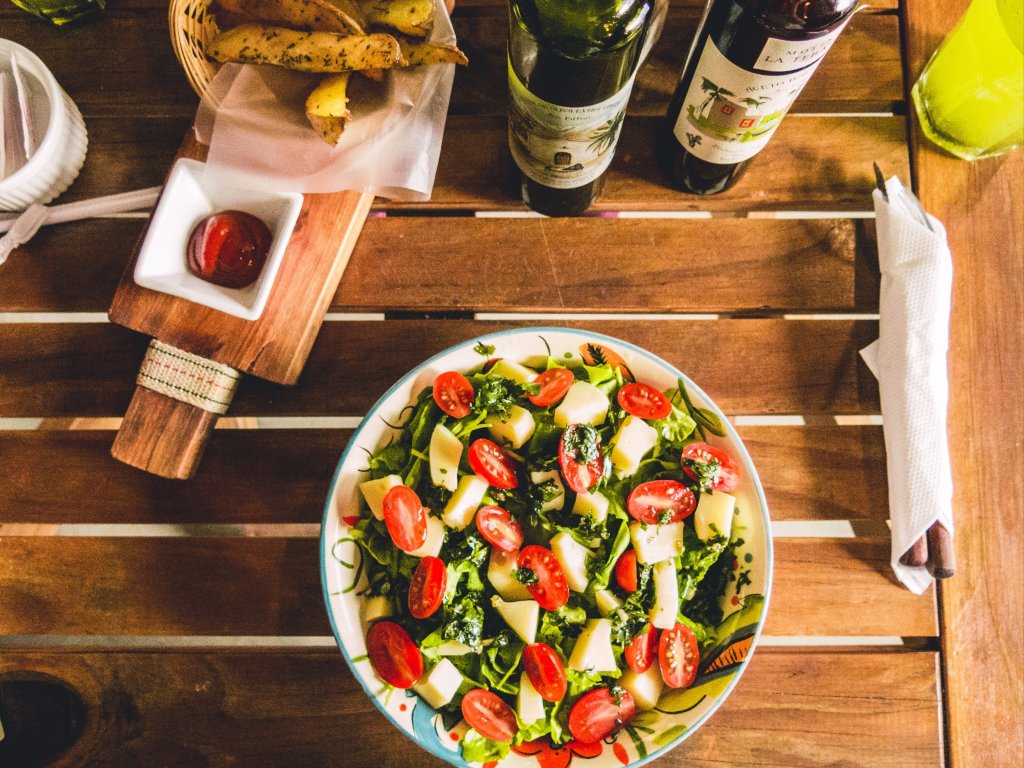
The Mediterranean diet has become increasingly popular in recent years, and for good reason. It’s not just a diet, but a way of life that emphasizes whole, nutrient-dense foods like fruits, vegetables, whole grains, and healthy fats. The Mediterranean diet is also known for its delicious and flavorful cuisine that features fresh herbs, spices, and ingredients. Today, we’ll be sharing three simple and delicious Mediterranean-inspired recipes that you can easily make at home for breakfast, lunch, or dinner. These recipes are packed with flavor and nutrition, and are sure to leave you feeling satisfied and energized. Let’s get cooking!
Mediterranean Breakfast Bowl
1/2 cup cooked quinoa
1/4 cup cherry tomatoes, halved
1/4 cup cucumber, diced
1/4 cup crumbled feta cheese
1 tbsp chopped fresh parsley
1 tbsp extra-virgin olive oil
Salt and pepper to taste
Instructions:
In a bowl, combine the cooked quinoa, cherry tomatoes, cucumber, feta cheese, and parsley.
Drizzle with olive oil and season with salt and pepper.
Enjoy!
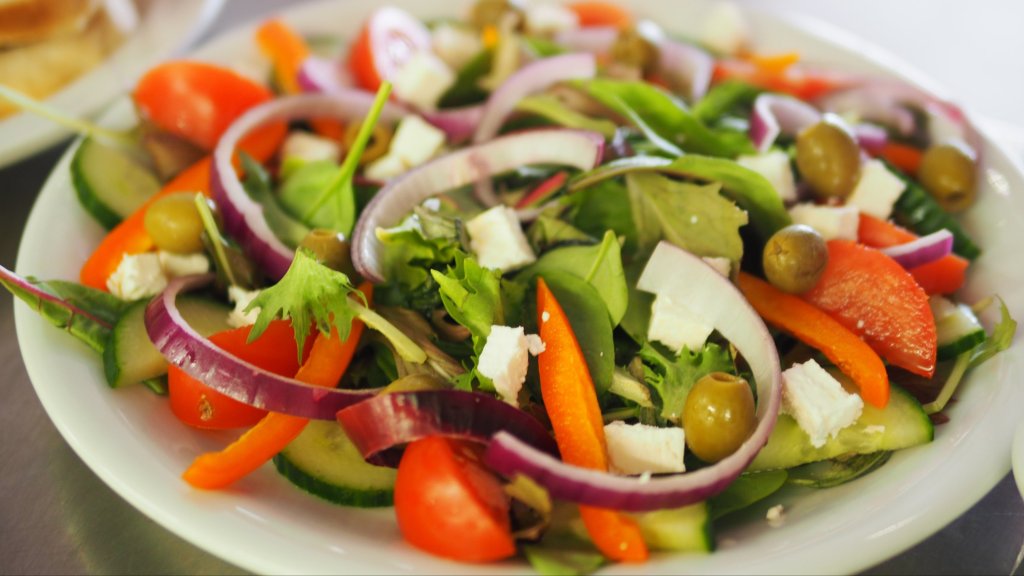
Greek Salad
2 cups chopped romaine lettuce
1/2 cup chopped cucumber
1/2 cup chopped cherry tomatoes
1/4 cup chopped red onion
1/4 cup crumbled feta cheese
1 tbsp extra-virgin olive oil
1 tbsp red wine vinegar
Salt and pepper to taste
Instructions:
In a bowl, combine the romaine lettuce, cucumber, cherry tomatoes, red onion, and feta cheese.
In a small bowl, whisk together the olive oil, red wine vinegar, salt, and pepper.
Drizzle the dressing over the salad and toss to combine.
Enjoy!
Mediterranean Chicken Skewers
1 lb boneless, skinless chicken breasts, cut into bite-size pieces
1/2 red onion, cut into bite-size pieces
1/2 green bell pepper, cut into bite-size pieces
1/2 yellow bell pepper, cut into bite-size pieces
2 tbsp extra-virgin olive oil
1 tbsp dried oregano
1 tsp garlic powder
Salt and pepper to taste
Instructions:
Preheat grill to medium-high heat.
In a bowl, combine the chicken pieces, red onion, green and yellow bell peppers, olive oil, oregano, garlic powder, salt, and pepper.
Thread the chicken and vegetables onto skewers, alternating between chicken and vegetables.
Grill the skewers for 10-12 minutes, turning occasionally, until the chicken is cooked through.
Are you following a keto diet and struggling to come up with healthy and delicious breakfast ideas? Look no further! In this article, we’ll explore some tasty and nutritious breakfast options that are perfect for those following a keto diet.
But first, let’s discuss what a keto diet is and why it’s important to have a healthy breakfast while following this diet.
What is a Keto Diet?
A keto diet is a low-carb, high-fat diet that aims to put your body into a state of ketosis. Ketosis is a metabolic state in which your body uses fat as its primary source of energy instead of carbohydrates. By limiting your carbohydrate intake, your body is forced to burn stored fat for fuel, resulting in weight loss and other health benefits.
Why is Breakfast Important on a Keto Diet?
Breakfast is the most important meal of the day, especially when you’re following a keto diet. It helps kickstart your metabolism, stabilizes your blood sugar levels, and provides you with the energy you need to tackle your day.
But finding keto-friendly breakfast options can be a challenge. Many traditional breakfast foods, such as toast, cereal, and pancakes, are high in carbohydrates and not allowed on a keto diet. So, it’s important to get creative and find alternative options that are both nutritious and delicious.
Here are some keto diet breakfast ideas that are sure to satisfy your taste buds and keep you on track with your health goals:
Keto Breakfast Bowl
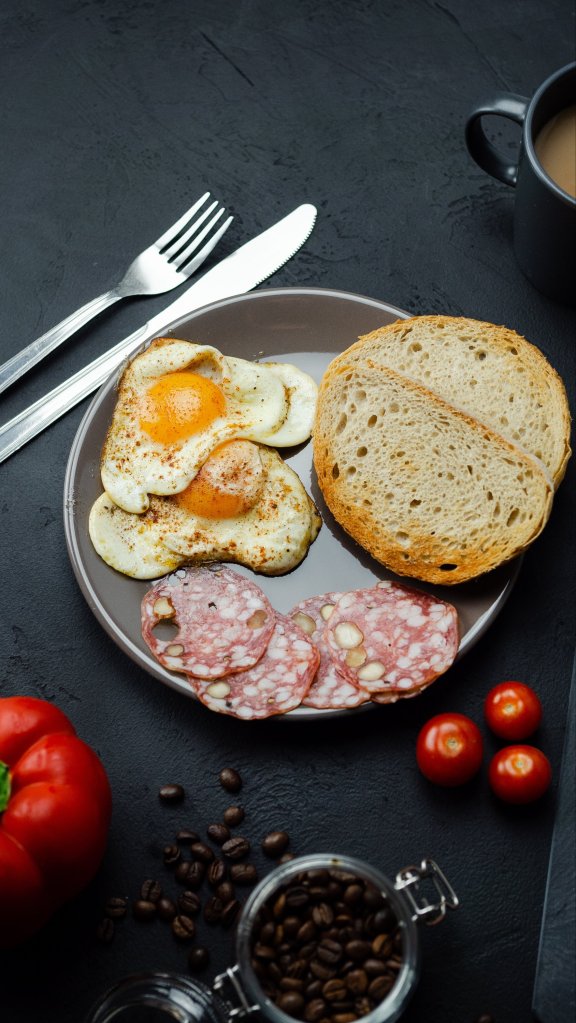
A keto breakfast bowl is a great way to get all your favorite breakfast ingredients in one dish. Start with a base of scrambled eggs and add in some cooked spinach, diced avocado, and crumbled bacon. Top it off with a dollop of sour cream and a sprinkle of cheddar cheese.
Bacon and Eggs
Bacon and eggs are a classic breakfast combination that is also keto-friendly. Fry up some bacon and scramble some eggs in the same pan for a delicious and satisfying breakfast.
Chia Seed Pudding
Chia seed pudding is a simple and tasty keto breakfast option. Mix together some chia seeds, unsweetened almond milk, vanilla extract, and a sweetener of your choice. Let it sit in the fridge overnight, and in the morning, you’ll have a creamy and delicious breakfast pudding.
Keto Smoothie
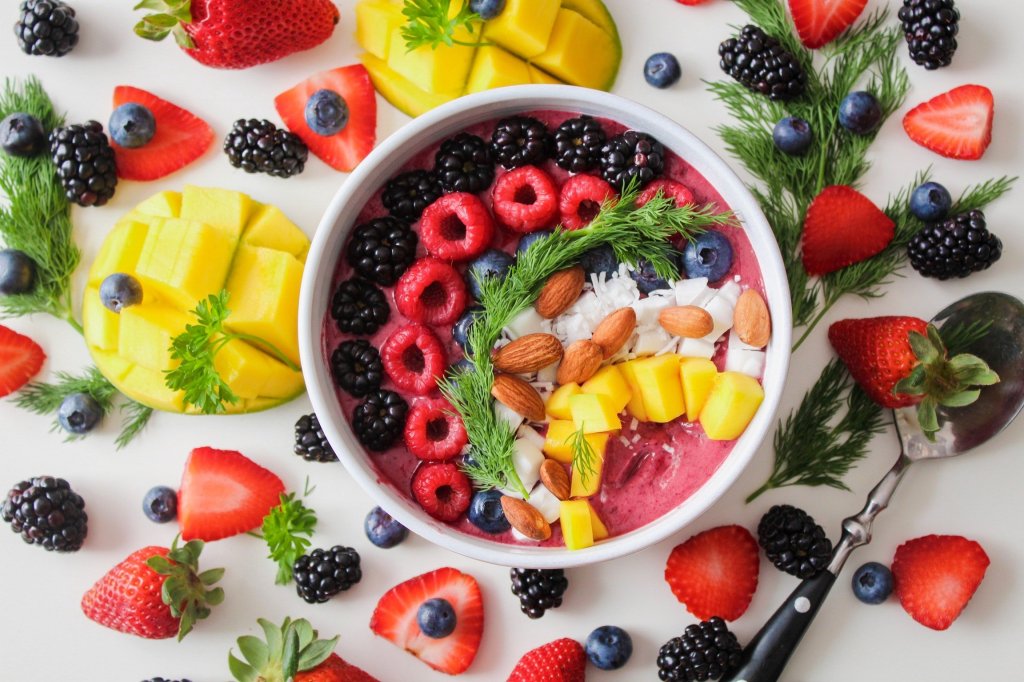
Smoothie are a great way to pack in a lot of nutrients and flavor in one drink. To make a keto-friendly smoothie, use low-carb fruits like berries, avocado, and coconut milk as a base. Add in some leafy greens like spinach and kale, a scoop of protein powder, and some healthy fats like almond butter or coconut oil.
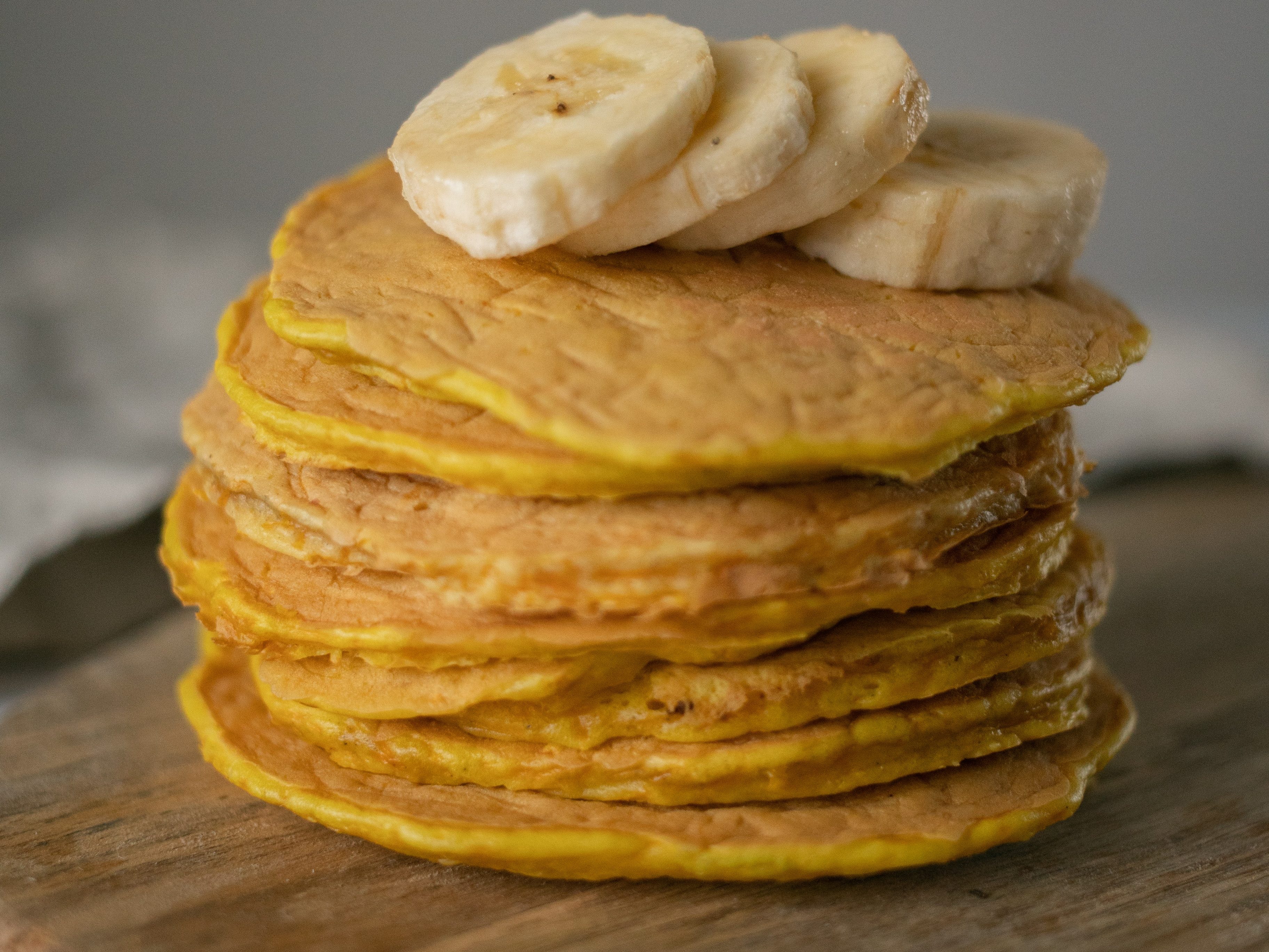
Low-Carb Pancakes
Who says you can’t have pancakes on a keto diet? There are many low-carb pancake recipes that use alternative flours like almond flour or coconut flour. Top them with some sugar-free maple syrup and a pat of butter for a delicious breakfast treat.
In Conclusion
Starting your day with a nutritious and delicious breakfast is essential, especially when you’re following a keto diet. By getting creative and trying out these keto-friendly breakfast options, you can stay on track with your health goals while still enjoying a variety of tasty meals. Give them a try and see which ones become your new favorite breakfast recipes.
The Mediterranean diet is more than just a way of eating. It is a lifestyle that promotes health and well-being. It is based on the traditional foods and habits of the people living in the Mediterranean region, who have lower rates of chronic diseases and longer life spans than many other populations.
The Mediterranean diet emphasizes eating a variety of plant-based foods, such as fruits, vegetables, nuts, seeds, legumes, and whole grains. These foods are rich in fiber, antioxidants, vitamins, minerals, and phytochemicals that can protect against inflammation, oxidative stress, and cellular damage.
The Mediterranean diet also includes moderate amounts of lean proteins, such as fish, poultry, eggs, and dairy products. These foods provide high-quality protein, essential amino acids, and healthy fats that can support muscle growth and repair, immune function, and hormone balance.
The Mediterranean diet limits the intake of processed foods, such as refined grains, added sugars, trans fats, and processed meats. These foods are often high in calories, sodium, and additives that can contribute to weight gain, high blood pressure, high cholesterol, and diabetes.
The Mediterranean diet is not only about what you eat but also how you eat. It encourages enjoying your food with family and friends, savoring each bite, and listening to your hunger and fullness cues. It also promotes being physically active every day, managing stress effectively, and getting enough sleep.
The Mediterranean diet is not a rigid or restrictive plan. It is a flexible and adaptable way of eating that can suit your personal preferences, cultural background, and health goals. It can help you lower your risk of heart disease, stroke, diabetes, cancer, and other chronic conditions. It can also improve your mood, energy levels, and cognitive function.
If you want to try the Mediterranean diet for yourself, here are some simple tips to get started:
Eat more fruits and vegetables. Aim for at least five servings per day. Choose a variety of colors and types to get the most benefits. Switch to whole grains. Replace refined grains with whole grains such as oats, barley, quinoa, bulgur wheat or brown rice. Whole grains are more filling and nutritious than refined grains.
Include healthy fats. Use olive oil as your main cooking oil and dressing. Eat nuts and seeds as snacks or toppings. Enjoy fatty fish such as salmon or tuna at least twice a week. Limit butter and margarine. Choose lean proteins. Opt for fish or poultry over red meat most of the time. Eat eggs or low-fat dairy products for breakfast or snacks. Include legumes such as beans or lentils in your meals or salads. Cut back on processed foods. Avoid foods that are high in added sugars such as sodas or pastries. Limit foods that are high in sodium such as chips or canned soups. Avoid foods that contain trans fats such as baked goods or fried foods. Spice up your food. Use herbs and spices to flavor your food instead of salt or sauces. Try garlic or onion for savory dishes or cinnamon or nutmeg for sweet dishes. Drink water. Stay hydrated by drinking plenty of water throughout the day. Limit alcohol to one drink per day for women or two drinks per day for men. Enjoy your food. Eat slowly and mindfully without distractions such as TV or phone. Appreciate the taste and texture of your food. Share your meals with others whenever possible. Be active. Aim for at least 150 minutes of moderate-intensity physical activity per week such as brisk walking or cycling. Find an activity that you enjoy and do it regularly. Relax. Find healthy ways to cope with stress such as meditation or yoga. Make time for hobbies or interests that make you happy. Get enough sleep every night. The Mediterranean diet is more than just a diet. It is a way of living that can improve your health and quality of life in many ways.
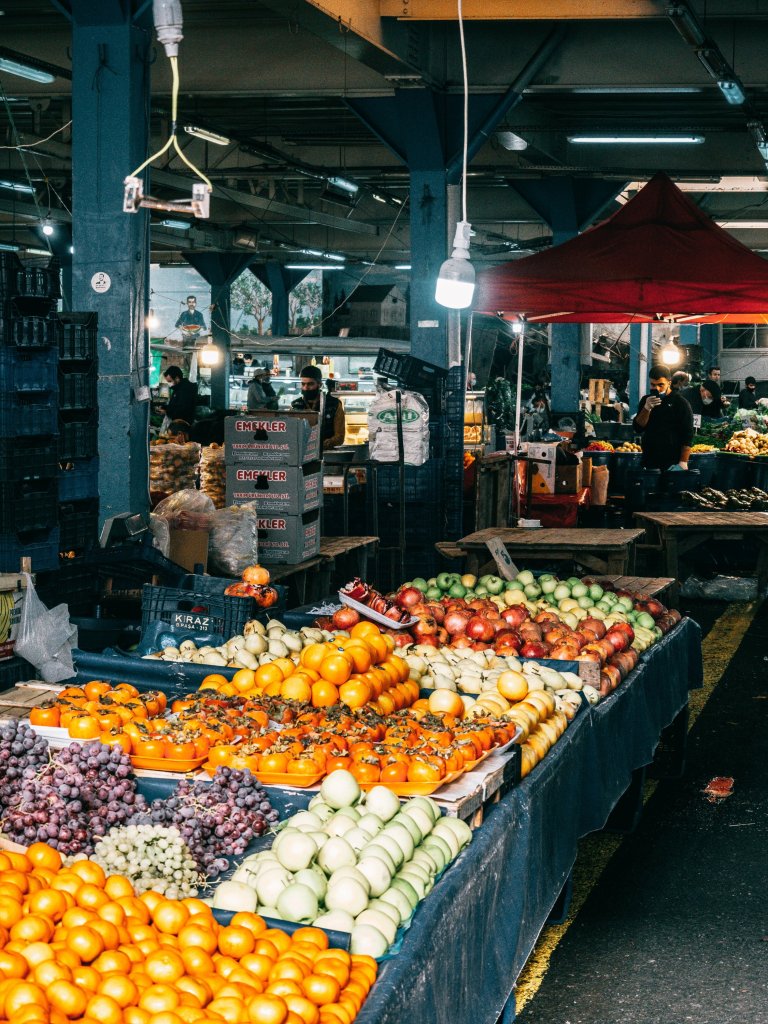
When it comes to maintaining a healthy lifestyle, making healthy food choices is essential. One of the easiest ways to make healthier choices is to start at the grocery store. Here are some tips to help you make healthy food choices when grocery shopping
Plan ahead: Before you head to the store, make a list of the healthy foods you want to buy. This will help you avoid impulse purchases of unhealthy items. Planning your meals for the week ahead of time can also help you make healthier choices.
Shop the perimeter of the store: The perimeter of the store is where you’ll find fresh produce, meat, dairy, and other whole foods. This is where you should focus your shopping to ensure that you are buying nutrient-dense foods.
Read food labels: The nutrition label is your best tool for evaluating the healthfulness of a food. Look for foods that are low in saturated and trans fats, sodium, and added sugars. Choose foods that are high in fiber, vitamins, and minerals.
Choose whole foods: Whole foods are those that are as close to their natural state as possible. Examples include fresh fruits and vegetables,whole grains, and lean protein sources like chicken, fish, and tofu. These foods are usually minimally processed and provide a lot of nutrients without a lot of added sugars, fats, or other unhealthy ingredients.
Avoid processed foods: Processed foods are often high in unhealthy ingredients like refined sugar, sodium, and unhealthy fats. These foods can contribute to chronic diseases like obesity, diabetes, and heart disease. Look for minimally processed foods, and read labels carefully to avoid products with added sugars, unhealthy fats, and other unhealthy ingredients.
Don’t shop when you’re hungry: When you’re hungry, you’re more likely to make impulsive and unhealthy food choices. Try to eat a healthy snack or meal before you head to the store, so you can make more rational and healthy food choices.
Consider buying in bulk: Buying in bulk can be a great way to save money on healthy foods. Look for bulk bins of grains, nuts, and seeds, which can be a cost-effective way to add healthy ingredients to your diet.
Try new things: Eating a variety of foods is important for a healthy diet. Don’t be afraid to try new fruits, vegetables, and other healthy foods that you’ve never tried before. You might discover some new favorites!
By following these tips, you can make healthier food choices when grocery shopping. Remember to plan ahead, read labels, and focus on whole, minimally processed foods. And don’t forget to enjoy the process of discovering new healthy foods and recipes!
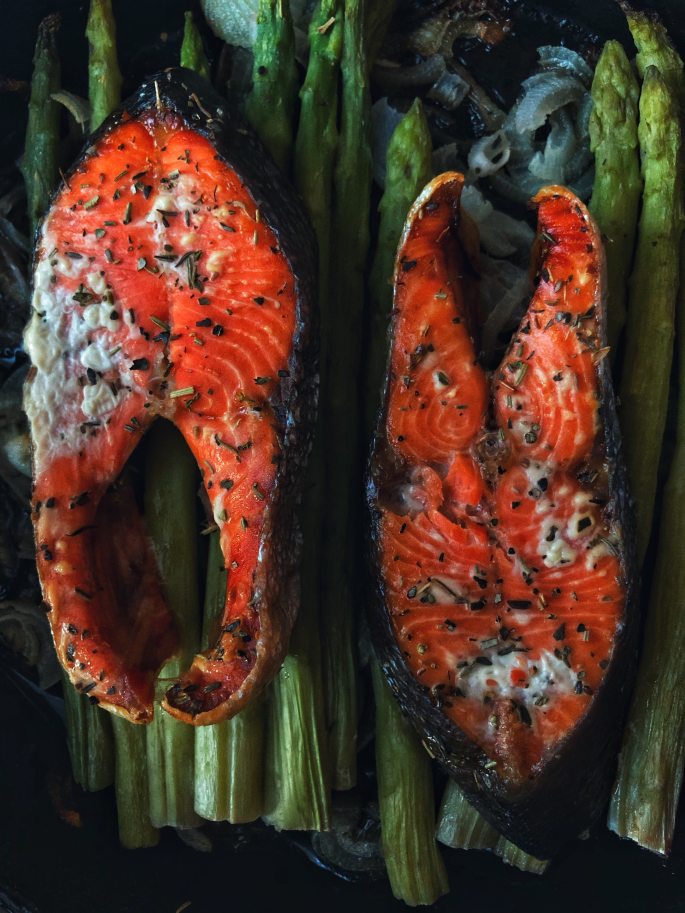
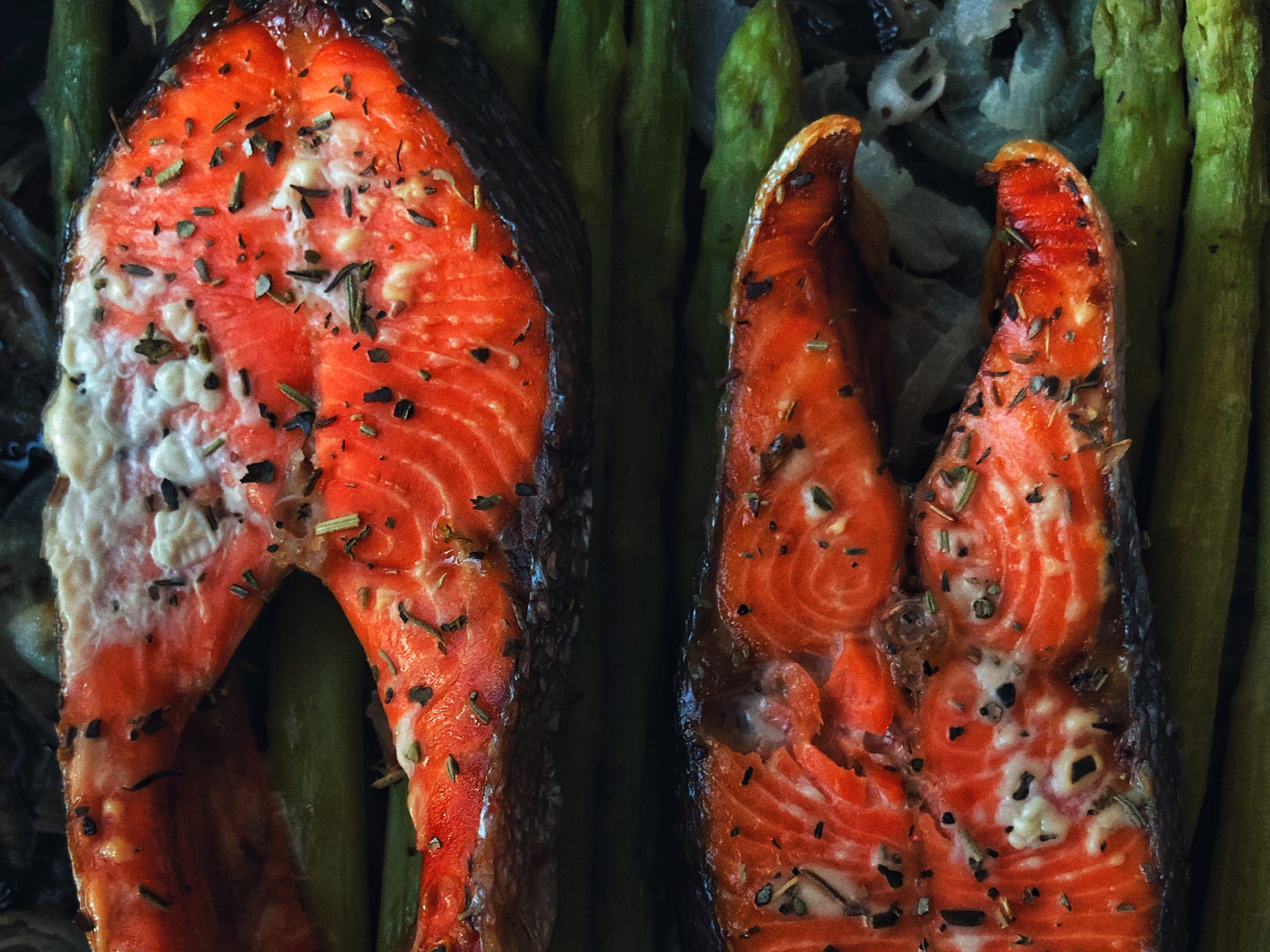
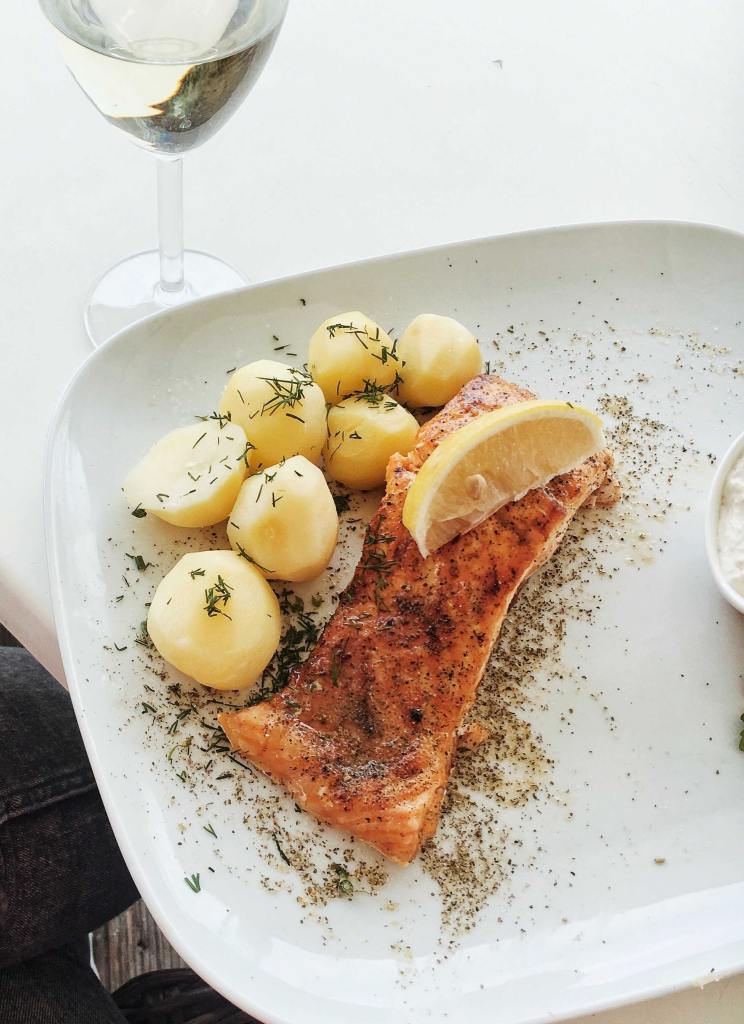
4 salmon fillets 2 tablespoons olive oil 2 tablespoons butter, melted 2 cloves garlic, minced 1 lemon, sliced Salt and pepper to taste Fresh parsley for garnish Instructions:
Preheat your oven to 375°F (190°C) and line a baking sheet with parchment paper.
Rinse the salmon fillets and pat them dry with paper towels. Place them on the prepared baking sheet.
In a small bowl, mix together the melted butter, minced garlic, and olive oil. Brush the mixture generously over the salmon fillets.
Slice the lemon into thin rounds and place them on top of the salmon fillets. Sprinkle salt and pepper over the top.
Bake the salmon in the preheated oven for 12-15 minutes, or until the salmon is cooked through and flakes easily with a fork.
Garnish the baked salmon with fresh parsley and serve immediately.
This keto baked salmon recipe is delicious and healthy, with healthy fats from the salmon and olive oil, and the fresh lemon and garlic add a burst of flavor that complements the salmon perfectly. Enjoy!






 Health and Fitness for Life