
The paleo diet, also called the Caveman diet or Stone Age diet, is a way of eating that tries to copy the food choices of our ancient ancestors. The idea behind this diet is that our bodies are meant to do well on the kinds of foods that our ancestors ate, which were mostly from hunting and gathering.
We will cover everything you need to know about the paleo diet, such as its benefits, what foods to eat and avoid, and how to get started.
What is the Paleo Diet? The paleo diet is based on the idea that our bodies are more adapted to the kinds of foods that our ancient ancestors ate. This means that the diet is focused on whole, natural foods that were easy to find for our ancestors, such as meats, fish, fruits, vegetables, nuts, and seeds.
The paleo diet avoids grains, dairy, legumes, and processed foods, as these were not part of our ancestors’ diets. The idea behind this is that these foods can cause inflammation and other health problems, which our ancestors did not have.
Benefits of the Paleo Diet The paleo diet has been shown to have several health benefits, such as:
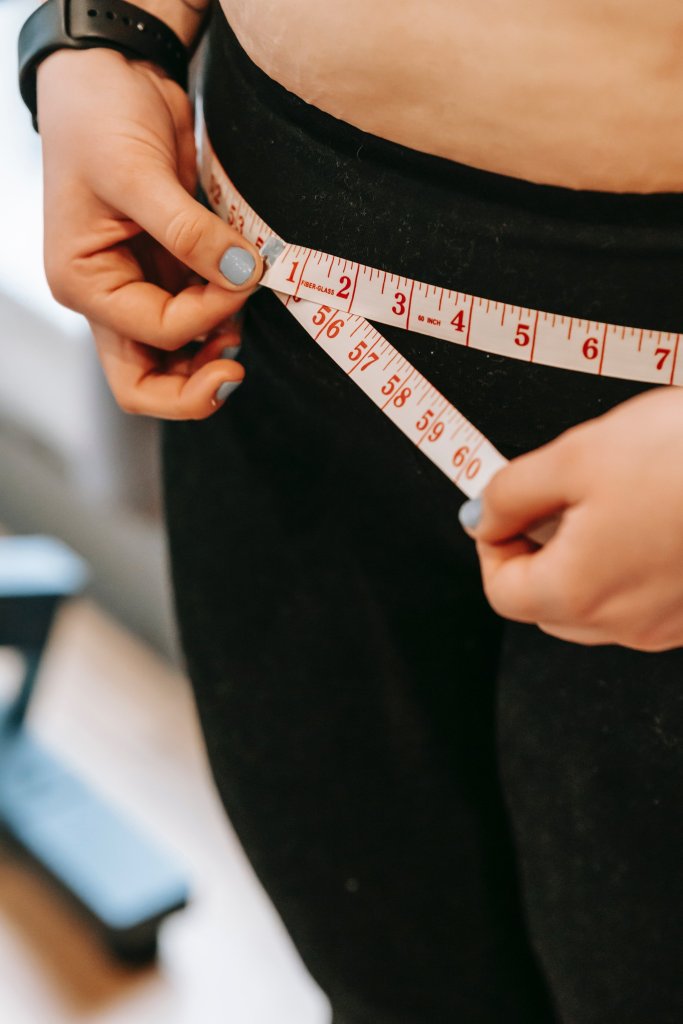
- Weight loss: The paleo diet is often effective for weight loss, as it focuses on whole, nutrient-rich foods that are low in calories and high in fiber.
- Better blood sugar control: The paleo diet can help improve blood sugar control, as it eliminates high-carbohydrate foods that can cause blood sugar spikes.
- Less inflammation: The paleo diet is anti-inflammatory, as it eliminates processed foods and other foods that can cause inflammation in the body.
Foods to Eat on the Paleo Diet The paleo diet is focused on whole, natural foods that were easy to find for our ancestors. Some of the foods to eat on the paleo diet are:
- Meat: Beef, pork, chicken, turkey, and other meats are allowed on the paleo diet.
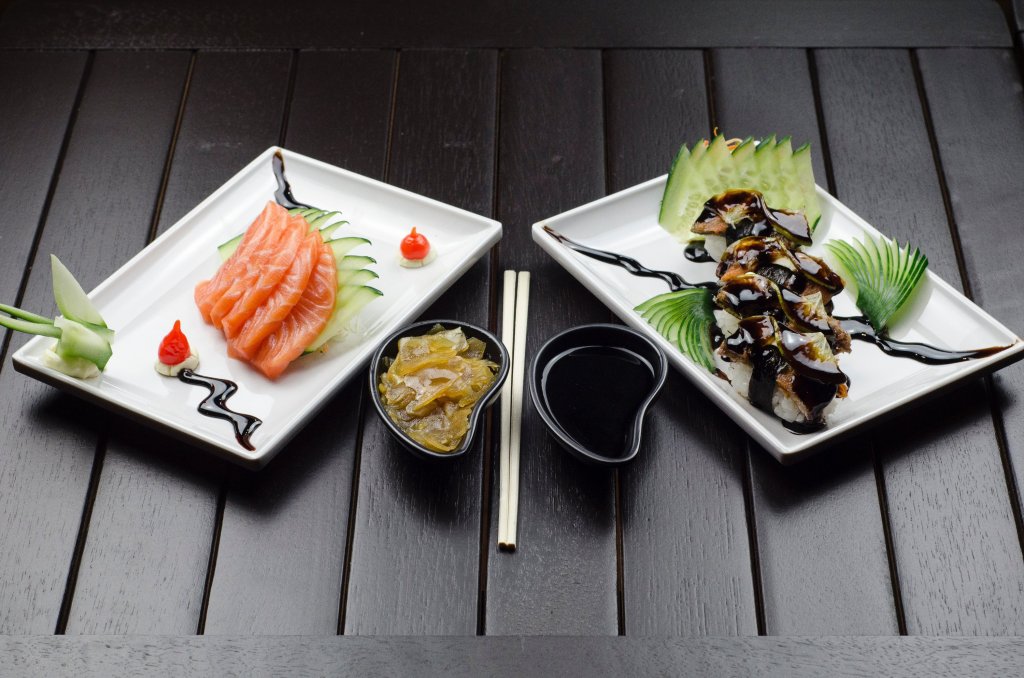
- Fish and seafood: Salmon, tuna, shrimp, and other types of fish and seafood are also allowed.
- Fruits and vegetables: You can eat any kind of fruits and vegetables on the paleo diet, as long as they are fresh and not canned.
- Nuts and seeds: You can eat almonds, cashews, walnuts, and other nuts and seeds on the paleo diet.
Foods to Avoid on the Paleo Diet The paleo diet excludes several types of foods that were not part of our ancestors’ diets. Some of the foods to avoid on the paleo diet are:
- Grains: You cannot eat wheat, rice, oats, or any other grains on the paleo diet.
- Dairy: You cannot eat milk, cheese, or any other dairy products on the paleo diet.
- Legumes: You cannot eat beans, peas, lentils, or any other legumes on the paleo diet
- Processed foods: You cannot eat any foods that are processed, packaged, or refined on the paleo diet.
Tips for Getting Started on the Paleo Diet If you want to try the paleo diet, here are some tips to help you get started:
1. Plan your meals ahead of time: This will help you stick to the paleo diet and avoid temptation to eat foods that are not allowed.
2. Focus on whole, unprocessed foods: When grocery shopping, stick to the outer aisles of the store, where you can find fresh produce, meats, and seafood.
3. Experiment with new recipes: There are many paleo-friendly recipes available online, so try new recipes to keep your meals interesting and enjoyable.
4. Don’t be too hard on yourself: It can be hard to completely eliminate certain foods from your diet. If you slip up and eat something that is not allowed on the paleo diet, don’t worry. Just get back on track and continue with the diet.
The paleo diet is a way of eating that tries to copy the food choices of our ancient ancestors. It focuses on whole, natural foods, and avoids grains, dairy, legumes, and processed foods. The paleo diet has been shown to have several health benefits, such as weight loss, better blood sugar control, and less inflammation. If you want to try the paleo diet, be sure to plan your meals ahead of time, focus on whole, natural foods, experiment with new recipes, and don’t worry if you slip up.
 Health and Fitness for Life