
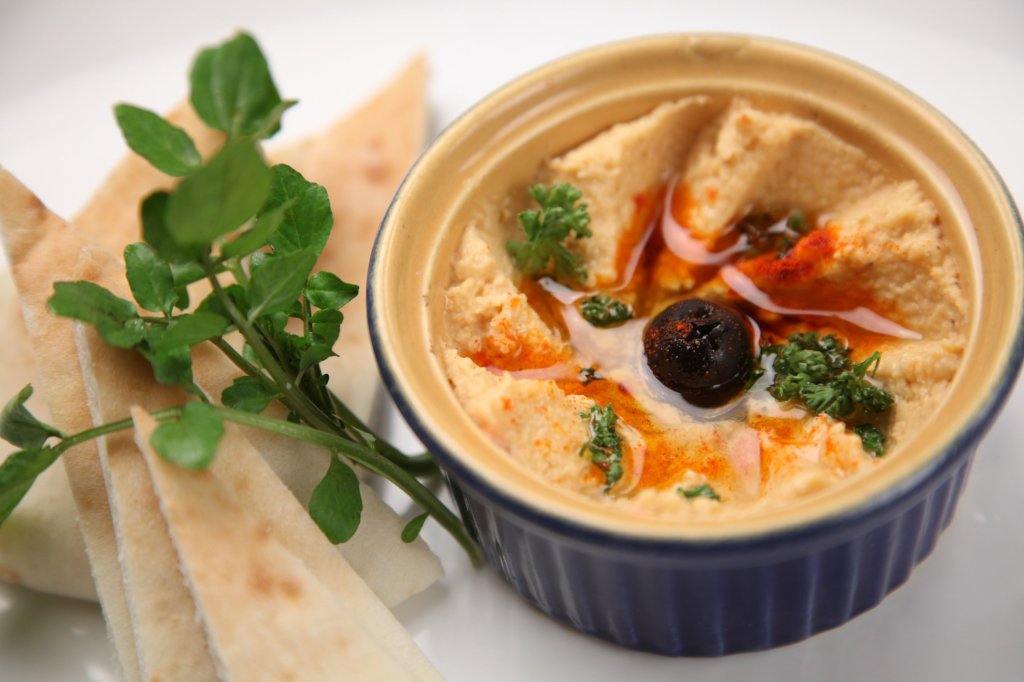
The Mediterranean diet is more than just a way of eating. It is a lifestyle that promotes health and well-being. It is based on the traditional foods and habits of the people living in the Mediterranean region, who have lower rates of chronic diseases and longer life spans than many other populations.
The Mediterranean diet emphasizes eating a variety of plant-based foods, such as fruits, vegetables, nuts, seeds, legumes, and whole grains. These foods are rich in fiber, antioxidants, vitamins, minerals, and phytochemicals that can protect against inflammation, oxidative stress, and cellular damage.
The Mediterranean diet also includes moderate amounts of lean proteins, such as fish, poultry, eggs, and dairy products. These foods provide high-quality protein, essential amino acids, and healthy fats that can support muscle growth and repair, immune function, and hormone balance.
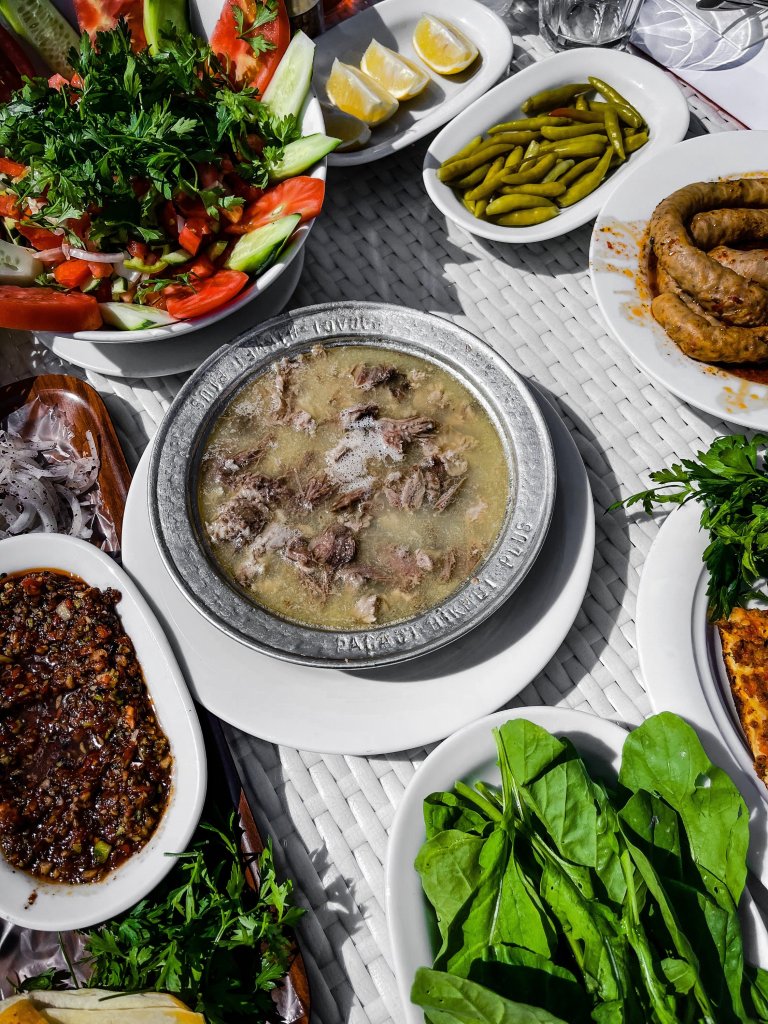
The Mediterranean diet limits the intake of processed foods, such as refined grains, added sugars, trans fats, and processed meats. These foods are often high in calories, sodium, and additives that can contribute to weight gain, high blood pressure, high cholesterol, and diabetes.
The Mediterranean diet is not only about what you eat but also how you eat. It encourages enjoying your food with family and friends, savoring each bite, and listening to your hunger and fullness cues. It also promotes being physically active every day, managing stress effectively, and getting enough sleep.
The Mediterranean diet is not a rigid or restrictive plan. It is a flexible and adaptable way of eating that can suit your personal preferences, cultural background, and health goals. It can help you lower your risk of heart disease, stroke, diabetes, cancer, and other chronic conditions. It can also improve your mood, energy levels, and cognitive function.
If you want to try the Mediterranean diet for yourself, here are some simple tips to get started:
Eat more fruits and vegetables. Aim for at least five servings per day. Choose a variety of colors and types to get the most benefits.
Switch to whole grains. Replace refined grains with whole grains such as oats, barley, quinoa, bulgur wheat or brown rice. Whole grains are more filling and nutritious than refined grains.
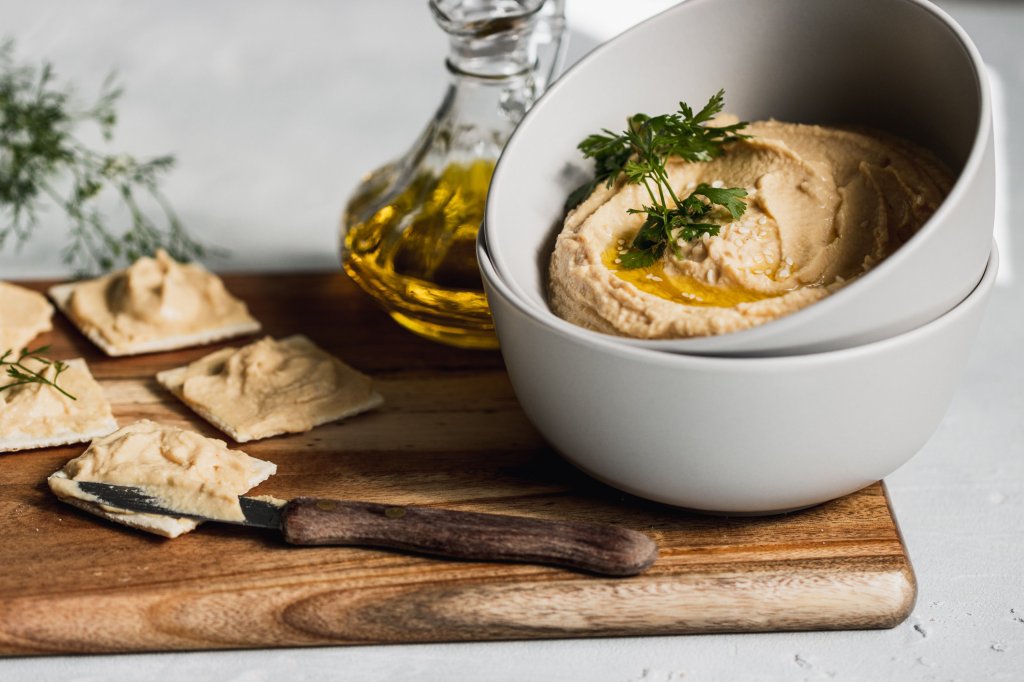
Include healthy fats. Use olive oil as your main cooking oil and dressing. Eat nuts and seeds as snacks or toppings. Enjoy fatty fish such as salmon or tuna at least twice a week. Limit butter and margarine.
Choose lean proteins. Opt for fish or poultry over red meat most of the time. Eat eggs or low-fat dairy products for breakfast or snacks. Include legumes such as beans or lentils in your meals or salads.
Cut back on processed foods. Avoid foods that are high in added sugars such as sodas or pastries. Limit foods that are high in sodium such as chips or canned soups. Avoid foods that contain trans fats such as baked goods or fried foods.
Spice up your food. Use herbs and spices to flavor your food instead of salt or sauces. Try garlic or onion for savory dishes or cinnamon or nutmeg for sweet dishes.
Drink water. Stay hydrated by drinking plenty of water throughout the day. Limit alcohol to one drink per day for women or two drinks per day for men.
Enjoy your food. Eat slowly and mindfully without distractions such as TV or phone. Appreciate the taste and texture of your food. Share your meals with others whenever possible.
Be active. Aim for at least 150 minutes of moderate-intensity physical activity per week such as brisk walking or cycling. Find an activity that you enjoy and do it regularly.
Relax. Find healthy ways to cope with stress such as meditation or yoga. Make time for hobbies or interests that make you happy. Get enough sleep every night.
The Mediterranean diet is more than just a diet. It is a way of living that can improve your health and quality of life in many ways.
 Health and Fitness for Life