Imagine a world where food isn’t just fuel but a source of joy, vitality, and profound well-being. It’s not about fad diets or restrictive eating; it’s about returning to nature’s bounty and savoring the simplicity of whole foods. At Fit Life Revolution, we believe in harnessing the natural power of food to rejuvenate your body…
The Mediterranean diet has become increasingly popular in recent years, and for good reason. It’s not just a diet, but a way of life that emphasizes whole, nutrient-dense foods like fruits, vegetables, whole grains, and healthy fats. The Mediterranean diet is also known for its delicious and flavorful cuisine that features fresh herbs, spices, and ingredients. Today, we’ll be sharing three simple and delicious Mediterranean-inspired recipes that you can easily make at home for breakfast, lunch, or dinner. These recipes are packed with flavor and nutrition, and are sure to leave you feeling satisfied and energized. Let’s get cooking!
Mediterranean Breakfast Bowl
1/2 cup cooked quinoa
1/4 cup cherry tomatoes, halved
1/4 cup cucumber, diced
1/4 cup crumbled feta cheese
1 tbsp chopped fresh parsley
1 tbsp extra-virgin olive oil
Salt and pepper to taste
Instructions:
In a bowl, combine the cooked quinoa, cherry tomatoes, cucumber, feta cheese, and parsley.
Drizzle with olive oil and season with salt and pepper.
Enjoy!
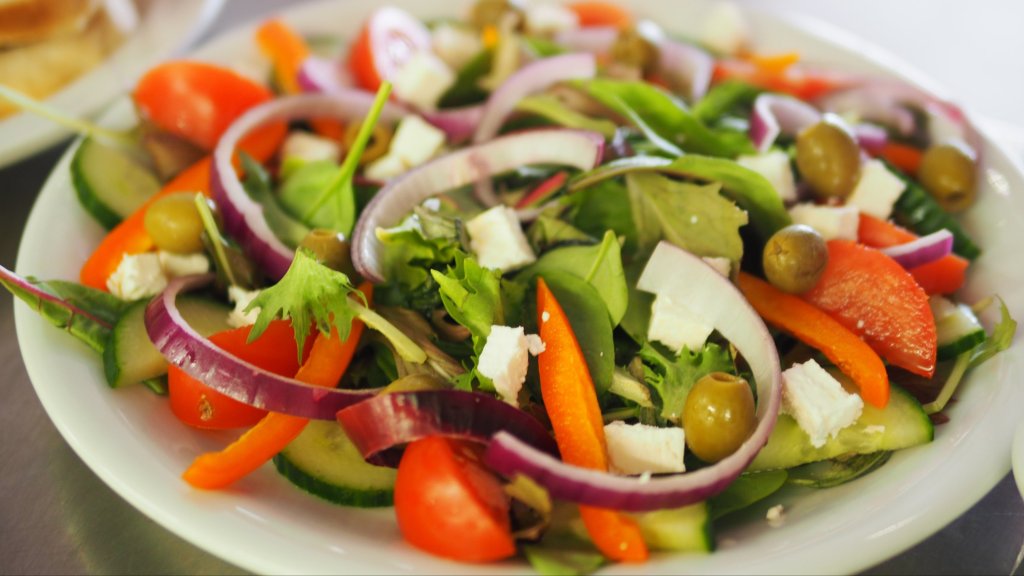
Greek Salad
2 cups chopped romaine lettuce
1/2 cup chopped cucumber
1/2 cup chopped cherry tomatoes
1/4 cup chopped red onion
1/4 cup crumbled feta cheese
1 tbsp extra-virgin olive oil
1 tbsp red wine vinegar
Salt and pepper to taste
Instructions:
In a bowl, combine the romaine lettuce, cucumber, cherry tomatoes, red onion, and feta cheese.
In a small bowl, whisk together the olive oil, red wine vinegar, salt, and pepper.
Drizzle the dressing over the salad and toss to combine.
Enjoy!
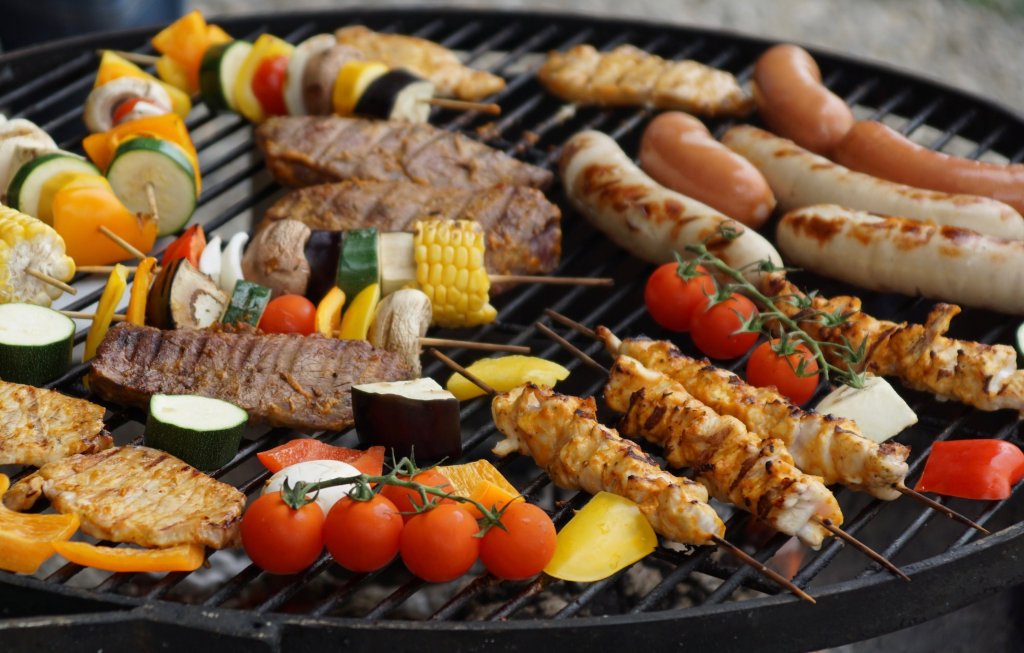
Mediterranean Chicken Skewers
1 lb boneless, skinless chicken breasts, cut into bite-size pieces
1/2 red onion, cut into bite-size pieces
1/2 green bell pepper, cut into bite-size pieces
1/2 yellow bell pepper, cut into bite-size pieces
2 tbsp extra-virgin olive oil
1 tbsp dried oregano
1 tsp garlic powder
Salt and pepper to taste
Instructions:
Preheat grill to medium-high heat.
In a bowl, combine the chicken pieces, red onion, green and yellow bell peppers, olive oil, oregano, garlic powder, salt, and pepper.
Thread the chicken and vegetables onto skewers, alternating between chicken and vegetables.
Grill the skewers for 10-12 minutes, turning occasionally, until the chicken is cooked through.
Are you following a keto diet and struggling to come up with healthy and delicious breakfast ideas? Look no further! In this article, we’ll explore some tasty and nutritious breakfast options that are perfect for those following a keto diet.
But first, let’s discuss what a keto diet is and why it’s important to have a healthy breakfast while following this diet.
What is a Keto Diet?
A keto diet is a low-carb, high-fat diet that aims to put your body into a state of ketosis. Ketosis is a metabolic state in which your body uses fat as its primary source of energy instead of carbohydrates. By limiting your carbohydrate intake, your body is forced to burn stored fat for fuel, resulting in weight loss and other health benefits.
Why is Breakfast Important on a Keto Diet?
Breakfast is the most important meal of the day, especially when you’re following a keto diet. It helps kickstart your metabolism, stabilizes your blood sugar levels, and provides you with the energy you need to tackle your day.
But finding keto-friendly breakfast options can be a challenge. Many traditional breakfast foods, such as toast, cereal, and pancakes, are high in carbohydrates and not allowed on a keto diet. So, it’s important to get creative and find alternative options that are both nutritious and delicious.
Here are some keto diet breakfast ideas that are sure to satisfy your taste buds and keep you on track with your health goals:
Keto Breakfast Bowl
A keto breakfast bowl is a great way to get all your favorite breakfast ingredients in one dish. Start with a base of scrambled eggs and add in some cooked spinach, diced avocado, and crumbled bacon. Top it off with a dollop of sour cream and a sprinkle of cheddar cheese.
Bacon and Eggs
Bacon and eggs are a classic breakfast combination that is also keto-friendly. Fry up some bacon and scramble some eggs in the same pan for a delicious and satisfying breakfast.
Chia Seed Pudding
Chia seed pudding is a simple and tasty keto breakfast option. Mix together some chia seeds, unsweetened almond milk, vanilla extract, and a sweetener of your choice. Let it sit in the fridge overnight, and in the morning, you’ll have a creamy and delicious breakfast pudding.
Keto Smoothie
Smoothie are a great way to pack in a lot of nutrients and flavor in one drink. To make a keto-friendly smoothie, use low-carb fruits like berries, avocado, and coconut milk as a base. Add in some leafy greens like spinach and kale, a scoop of protein powder, and some healthy fats like almond butter or coconut oil.
Low-Carb Pancakes
Who says you can’t have pancakes on a keto diet? There are many low-carb pancake recipes that use alternative flours like almond flour or coconut flour. Top them with some sugar-free maple syrup and a pat of butter for a delicious breakfast treat.
In Conclusion
Starting your day with a nutritious and delicious breakfast is essential, especially when you’re following a keto diet. By getting creative and trying out these keto-friendly breakfast options, you can stay on track with your health goals while still enjoying a variety of tasty meals. Give them a try and see which ones become your new favorite breakfast recipes.
The paleo diet, also called the Caveman diet or Stone Age diet, is a way of eating that tries to copy the food choices of our ancient ancestors. The idea behind this diet is that our bodies are meant to do well on the kinds of foods that our ancestors ate, which were mostly from hunting and gathering.
We will cover everything you need to know about the paleo diet, such as its benefits, what foods to eat and avoid, and how to get started.
What is the Paleo Diet? The paleo diet is based on the idea that our bodies are more adapted to the kinds of foods that our ancient ancestors ate. This means that the diet is focused on whole, natural foods that were easy to find for our ancestors, such as meats, fish, fruits, vegetables, nuts, and seeds.
The paleo diet avoids grains, dairy, legumes, and processed foods, as these were not part of our ancestors’ diets. The idea behind this is that these foods can cause inflammation and other health problems, which our ancestors did not have.
Benefits of the Paleo Diet The paleo diet has been shown to have several health benefits, such as:
Weight loss: The paleo diet is often effective for weight loss, as it focuses on whole, nutrient-rich foods that are low in calories and high in fiber.
Better blood sugar control: The paleo diet can help improve blood sugar control, as it eliminates high-carbohydrate foods that can cause blood sugar spikes.
Less inflammation: The paleo diet is anti-inflammatory, as it eliminates processed foods and other foods that can cause inflammation in the body.
Foods to Eat on the Paleo Diet The paleo diet is focused on whole, natural foods that were easy to find for our ancestors. Some of the foods to eat on the paleo diet are:
Meat: Beef, pork, chicken, turkey, and other meats are allowed on the paleo diet.
Fish and seafood: Salmon, tuna, shrimp, and other types of fish and seafood are also allowed.
Fruits and vegetables: You can eat any kind of fruits and vegetables on the paleo diet, as long as they are fresh and not canned.
Nuts and seeds: You can eat almonds, cashews, walnuts, and other nuts and seeds on the paleo diet.
Foods to Avoid on the Paleo Diet The paleo diet excludes several types of foods that were not part of our ancestors’ diets. Some of the foods to avoid on the paleo diet are:
Grains: You cannot eat wheat, rice, oats, or any other grains on the paleo diet.
Dairy: You cannot eat milk, cheese, or any other dairy products on the paleo diet.
Legumes: You cannot eat beans, peas, lentils, or any other legumes on the paleo diet
Processed foods: You cannot eat any foods that are processed, packaged, or refined on the paleo diet.
Tips for Getting Started on the Paleo Diet If you want to try the paleo diet, here are some tips to help you get started:
1. Plan your meals ahead of time: This will help you stick to the paleo diet and avoid temptation to eat foods that are not allowed.
2. Focus on whole, unprocessed foods: When grocery shopping, stick to the outer aisles of the store, where you can find fresh produce, meats, and seafood.
3. Experiment with new recipes: There are many paleo-friendly recipes available online, so try new recipes to keep your meals interesting and enjoyable.
4. Don’t be too hard on yourself: It can be hard to completely eliminate certain foods from your diet. If you slip up and eat something that is not allowed on the paleo diet, don’t worry. Just get back on track and continue with the diet.
The paleo diet is a way of eating that tries to copy the food choices of our ancient ancestors. It focuses on whole, natural foods, and avoids grains, dairy, legumes, and processed foods. The paleo diet has been shown to have several health benefits, such as weight loss, better blood sugar control, and less inflammation. If you want to try the paleo diet, be sure to plan your meals ahead of time, focus on whole, natural foods, experiment with new recipes, and don’t worry if you slip up.




 Health and Fitness for Life