Unleash Your Natural StrengthWelcome to the 15-Day Simple Movements Challenge! Over the next two weeks, we’ll guide you through a series of exercises and routines designed to help you build strength, improve flexibility, and enhance your overall well-being. Each day, you’ll focus on a specific movement or activity, gradually building a sustainable fitness routine that…
Staying motivated to exercise and eat healthy can be challenging, but it’s important for maintaining good health and preventing chronic diseases. Here are some tips to help you stay motivated:
Set realistic goals: Setting small, achievable goals can help you stay motivated and build momentum over time.
Find an exercise routine you enjoy: Whether it’s running, yoga, or weightlifting, finding an exercise routine that you enjoy can make it easier to stick with.
Make healthy eating a habit: Eating healthy doesn’t have to be complicated. Start by incorporating more fruits, vegetables, and whole grains into your diet.
Get support from friends and family: Having a support system can make all the difference when it comes to staying motivated.
Reward yourself: Celebrate your successes along the way with small rewards like a new workout outfit or a healthy meal at your favorite restaurant.
Remember that staying motivated is a journey, not a destination. Be patient with yourself and keep working towards your goals!
Many people who exercise concentrate on the activity alone and disregard the value of stretching before and after. Stretching, however, is an essential component of any exercise programme because it aids in bodily preparation for exercise, prevents injuries, and speeds up recovery.
Prior to exercise Stretching before exercise improves flexibility, warms up the muscles, and increases blood flow, all of which can improve performance and lower the chance of injury.
For efficient stretching before exercise, consider the following advice: Start with a gentle warm-up: It’s essential to get the blood flowing before stretching, so jog, do jumping jacks, or cycle for a few minutes.
Stretch the muscles in your legs, hips, and lower back if you’re heading for a run, for example, and concentrate on the muscles you’ll be using.
Hold each stretch for 10 to 30 seconds; don’t bounce or convulse, as these actions can hurt you.
Don’t overdo it: Stretching shouldn’t be painful; it should be a gentle, relaxing exercise. If a stretch hurts, ease up a little and attempt it again.
After a workout
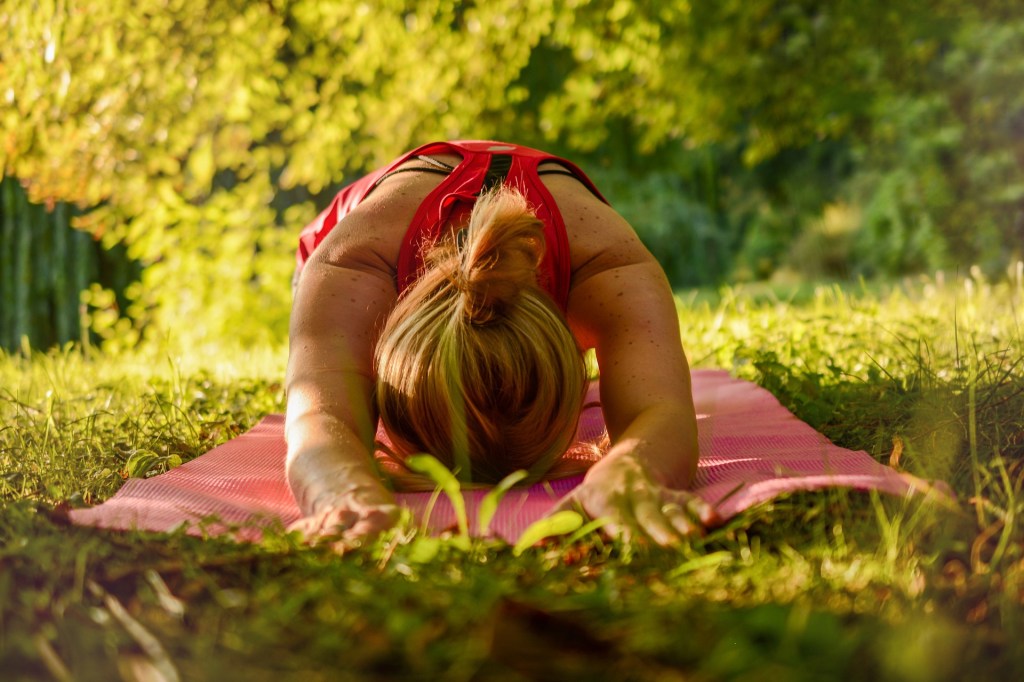
Stretching before and after exercise are equally essential. It aids in bodily cooling, lessens stiffness and soreness, and speeds up healing. The following are some pointers for extending after exercise:
Since your muscles are already warmed up, you can maintain each stretch for a little longer than 30 to 60 seconds.
After a full-body workout, concentrate on stretching the main muscle groups, including the shoulders, back, chest, and shoulders.
As with stretching before an exercise, go slowly and avoid rushing or forcing any stretches. Each posture should be taken with a relaxed body.
Take deep breaths as you stretch because doing so can help the body unwind and improve circulation.
The conclusion
Stretching is a quick but crucial method to improve performance, reduce risk of injury, and speed up recovery after exercise. You can make the most of your exercises while keeping your body secure and healthy by including stretching in your exercise regimen.







 Health and Fitness for Life